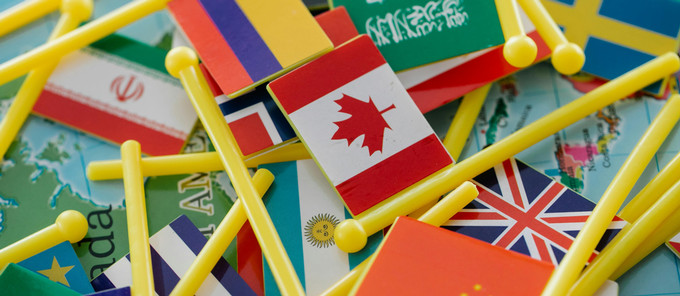
Department of Politics and International Studies
The Department of Politics and International Studies offer degrees in both Political Science and International Studies.
Whichever program students are enrolled in, our mission remains to encourage them to think broadly, critically, and systematically about the core features of their democratic and global citizenship. We strive to give our students the tools they will need to understand their world as they make their way in the 21st century.
The faculty are engaged and productive scholars who are committed to excellence in teaching and making the Department of Politics and International Studies at the University of Regina a diverse, accomplished, and vibrant place in which students can learn.
If you would like more information on any of our programs, please contact the Department Head.
We encourage students to participate in local internships, short travel courses, and international exchange programs.
The Department of Politics and International Studies hosts and partners with a number of travel and work opportunities for students. These include:
- Short travel courses based out of the Faculty of Arts, including to Costa Rica and Germany in 2024-2025
- The Todd L. Dixon PAIS Travel Award, which awards travel scholarships to Politics & International Studies students each semester
- A unique partnership with the United Nations Volunteers platform for remote/virtual internships
- For-credit internships with a range of partner organizations through International Studies 391, “Internships in International Studies”
- The Arts Work Internship Program
- A long list of universities worldwide where students can complete a semester- or year-long exchange program
- A reciprocal exchange program agreement with Xi’an Jiaotong-Liverpool University in Suzhou, China
Please contact the Department Head for more information.
Undergraduate Programs
Contact Us
University of Regina
Classroom Building 343
3737 Wascana Parkway
Regina SK S4S 0A2
Phone: 306-585-4186 / 306-585-4485
Email: PAIS.Dept@uregina.ca
Acting Department Head
Recent PAIS Graduates
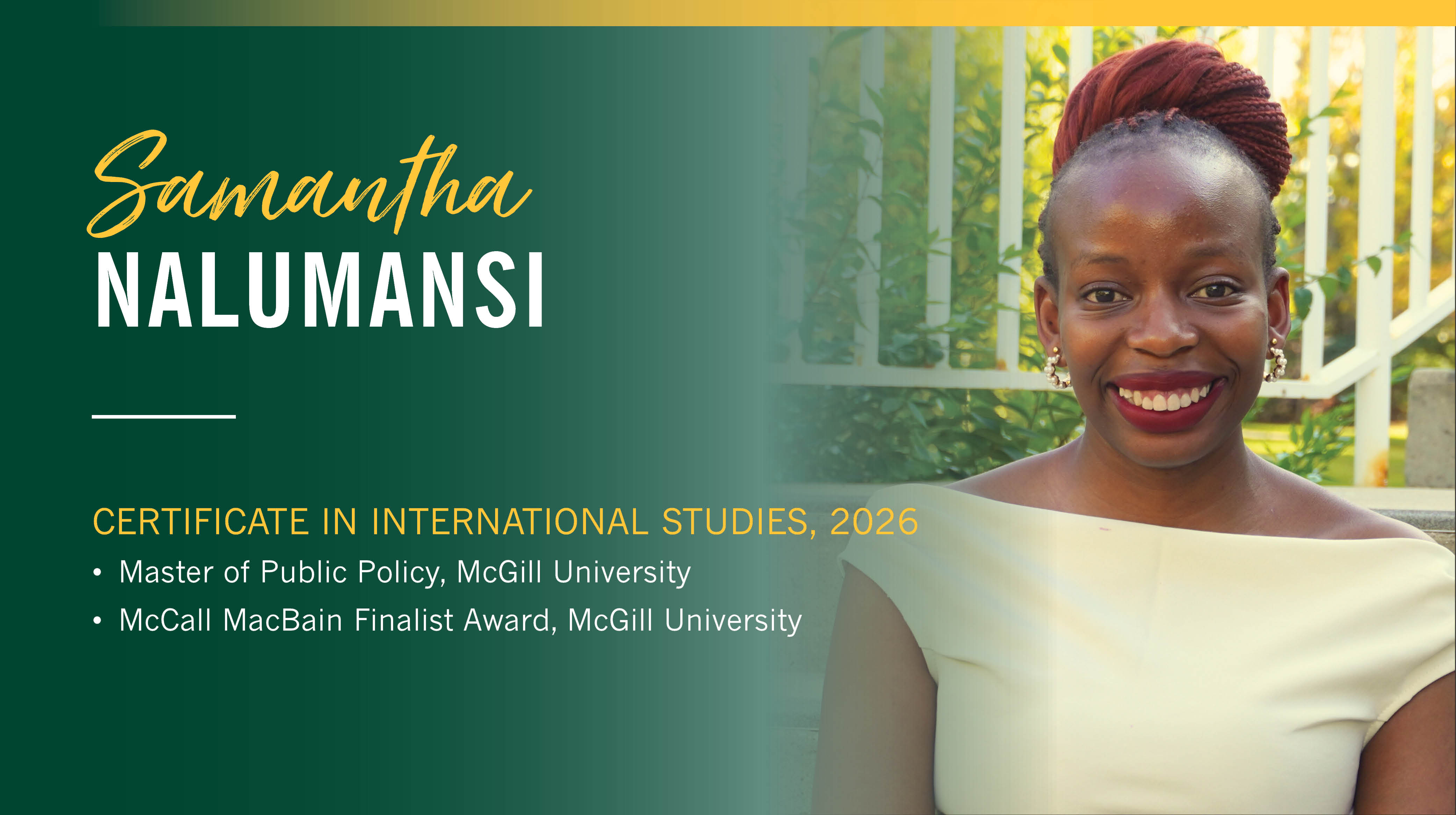
Samantha Nalumansi
“International Studies courses taught me how to better engage with complex arguments and appreciate nuanced perspectives.”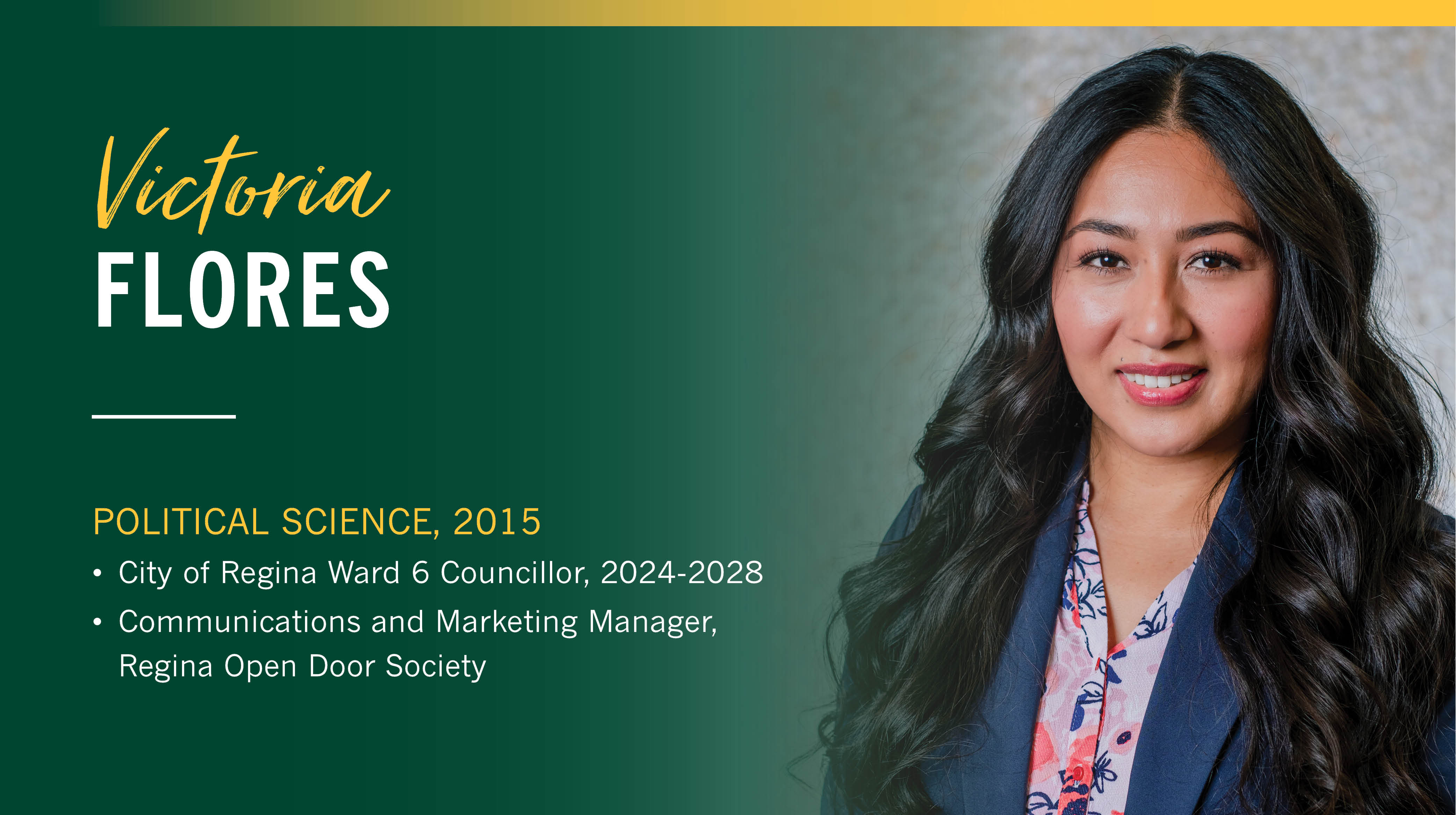
Victoria Flores
“I was interested in understanding the foundations of government systems, political behavior, and the dynamics of power and authority. I thought the degree would prepare me to study law, but I ended up building a career in the human services sector and eventually stepping into politics.”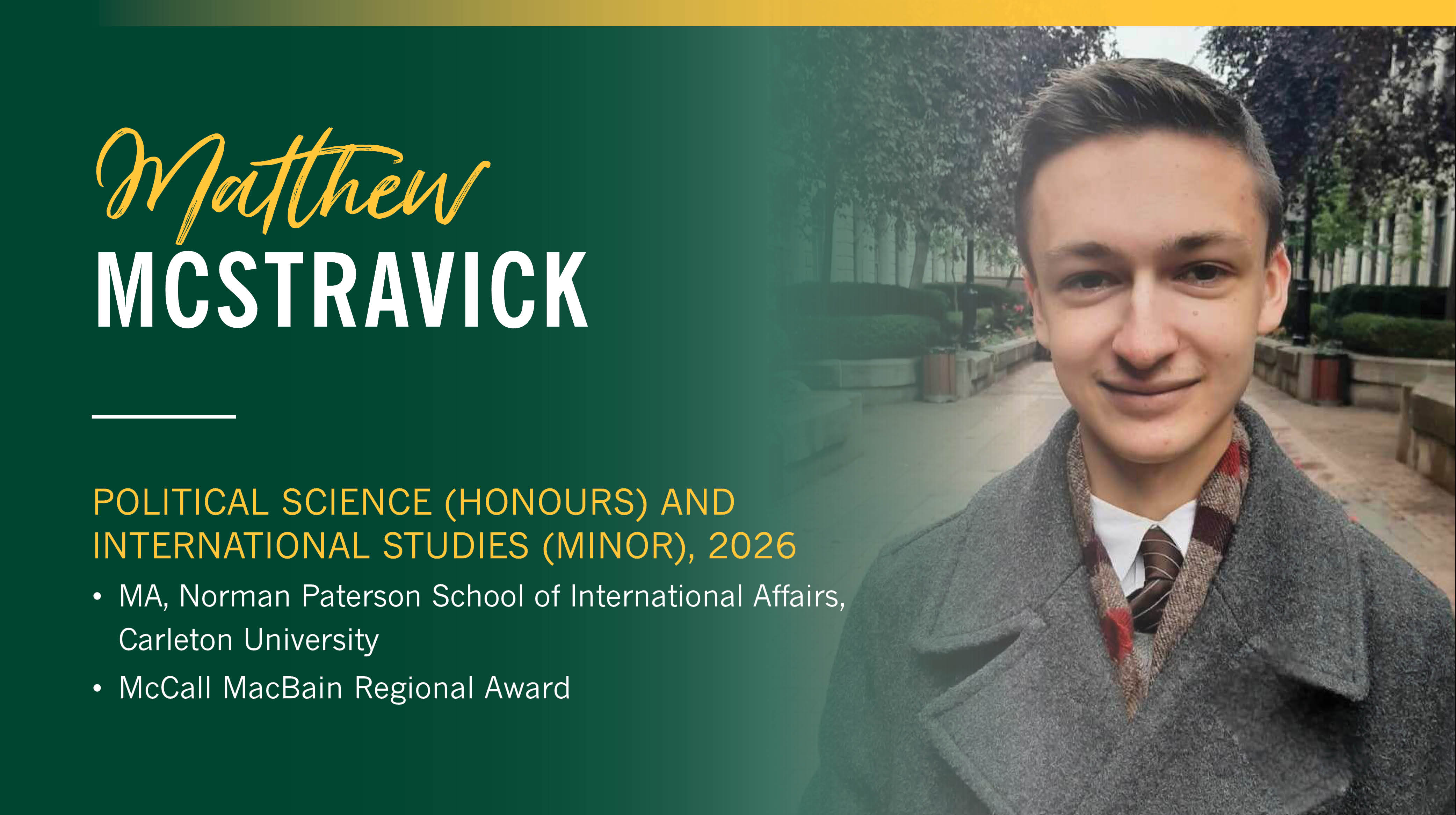
Matthew McStravick
“Simulation based activities in PAIS classes provided invaluable hands-on learning. I also gained a great deal of confidence expressing myself and my ideas.”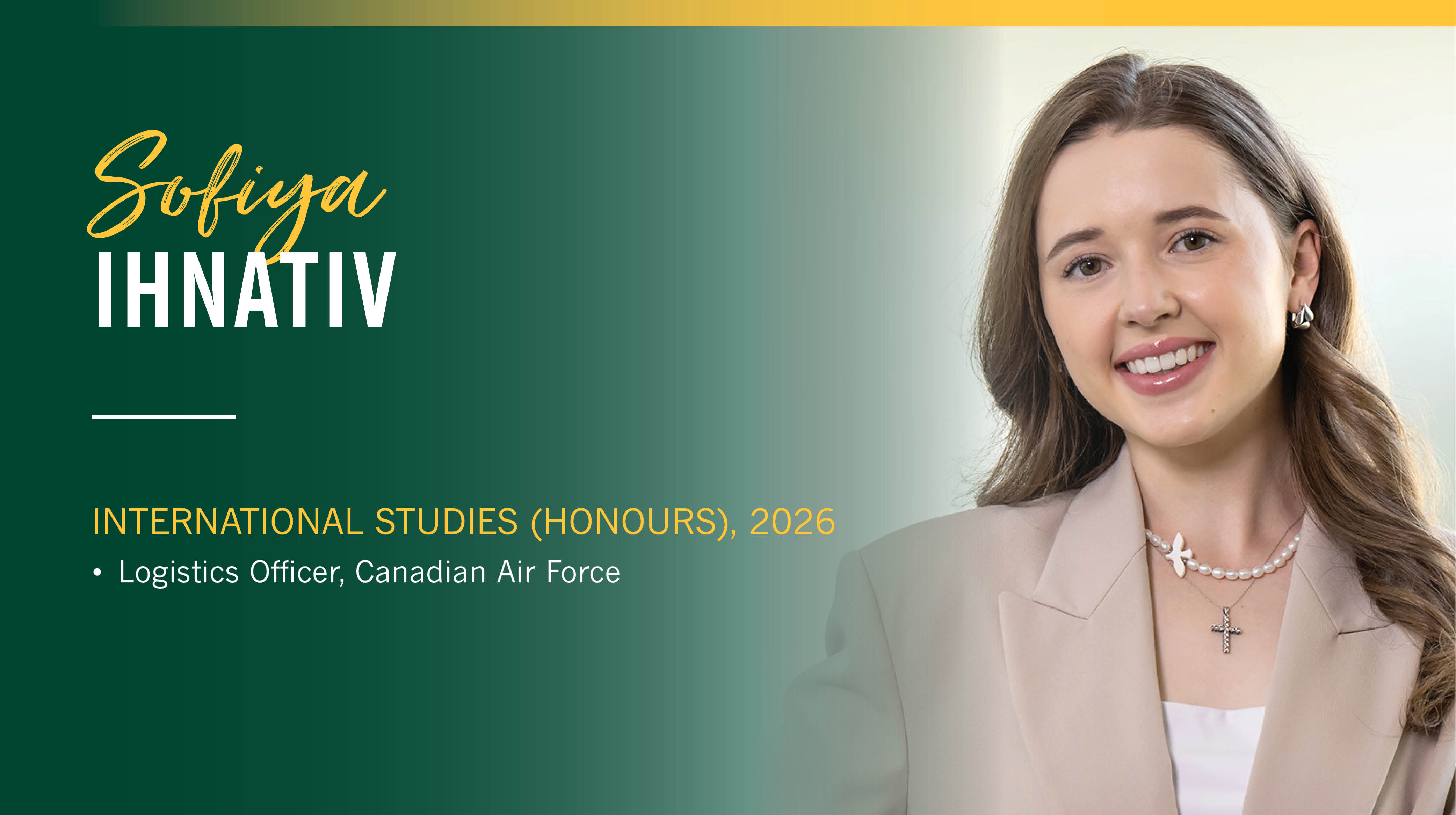
Sofiya Ihnativ
“My degree equipped me with valuable skills in data analysis, strategic thinking, professional writing, and problem solving, and has taught me to remain consistent, dedicated, and focused.”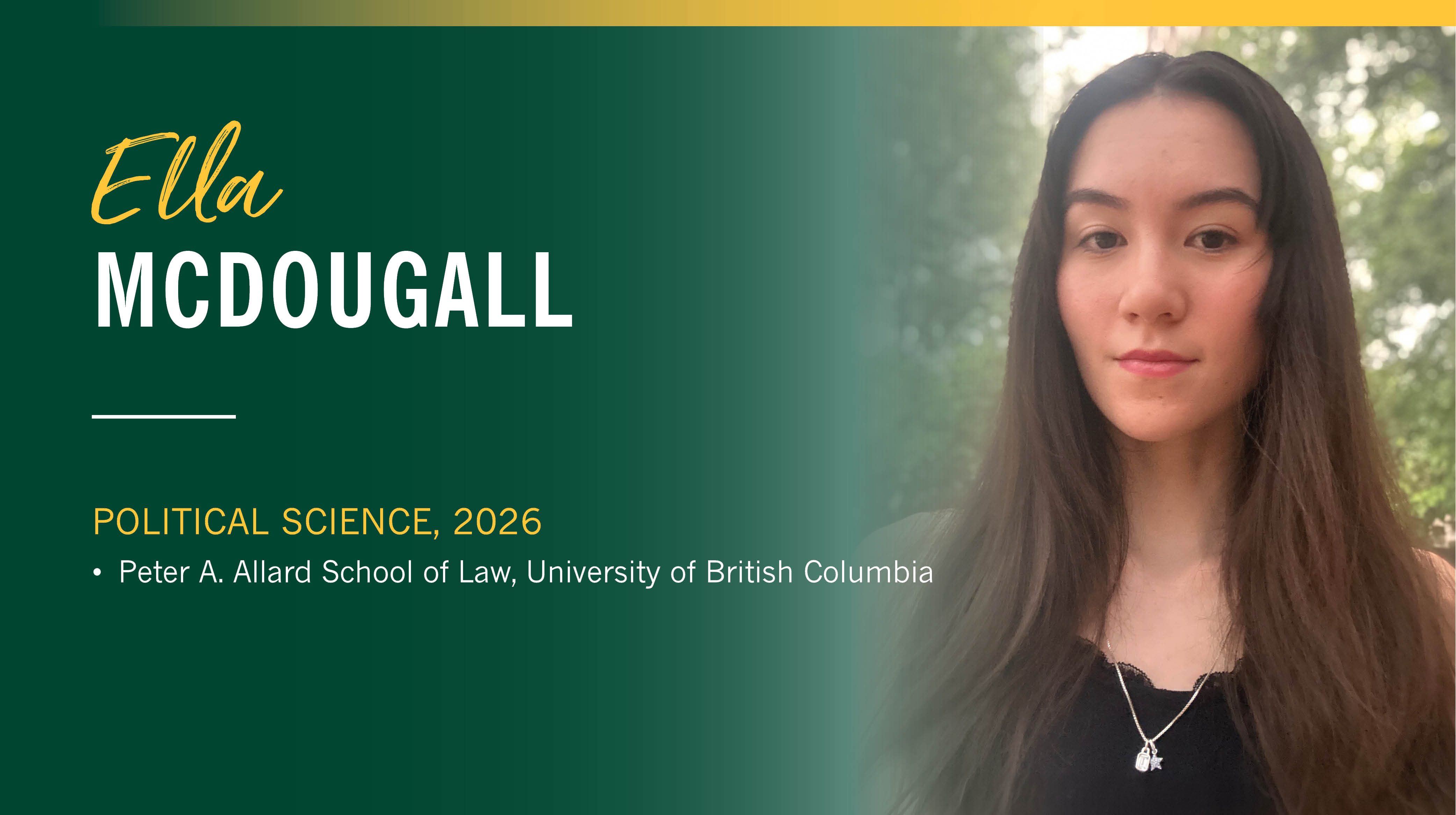
Ella McDougall
“Studying Political Science prepared me for law school by teaching me how to analyze multifaceted issues, think critically, and write persuasively.”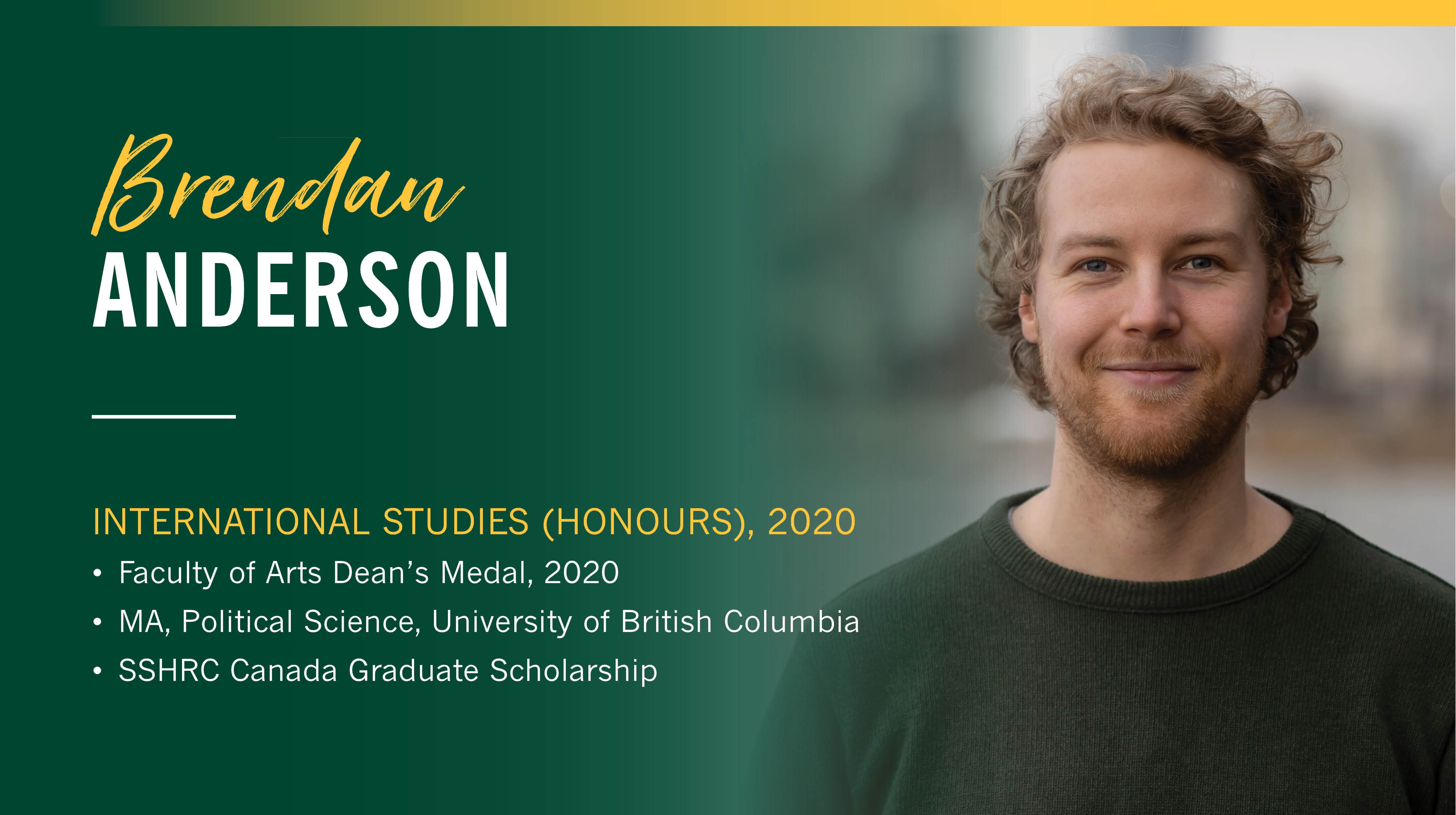
Brendan Anderson
"This program taught me to think in terms of systems, holding onto complexity and diverse perspectives. Systems thinking has proven to be a powerful analytical tool in every position I’ve had since.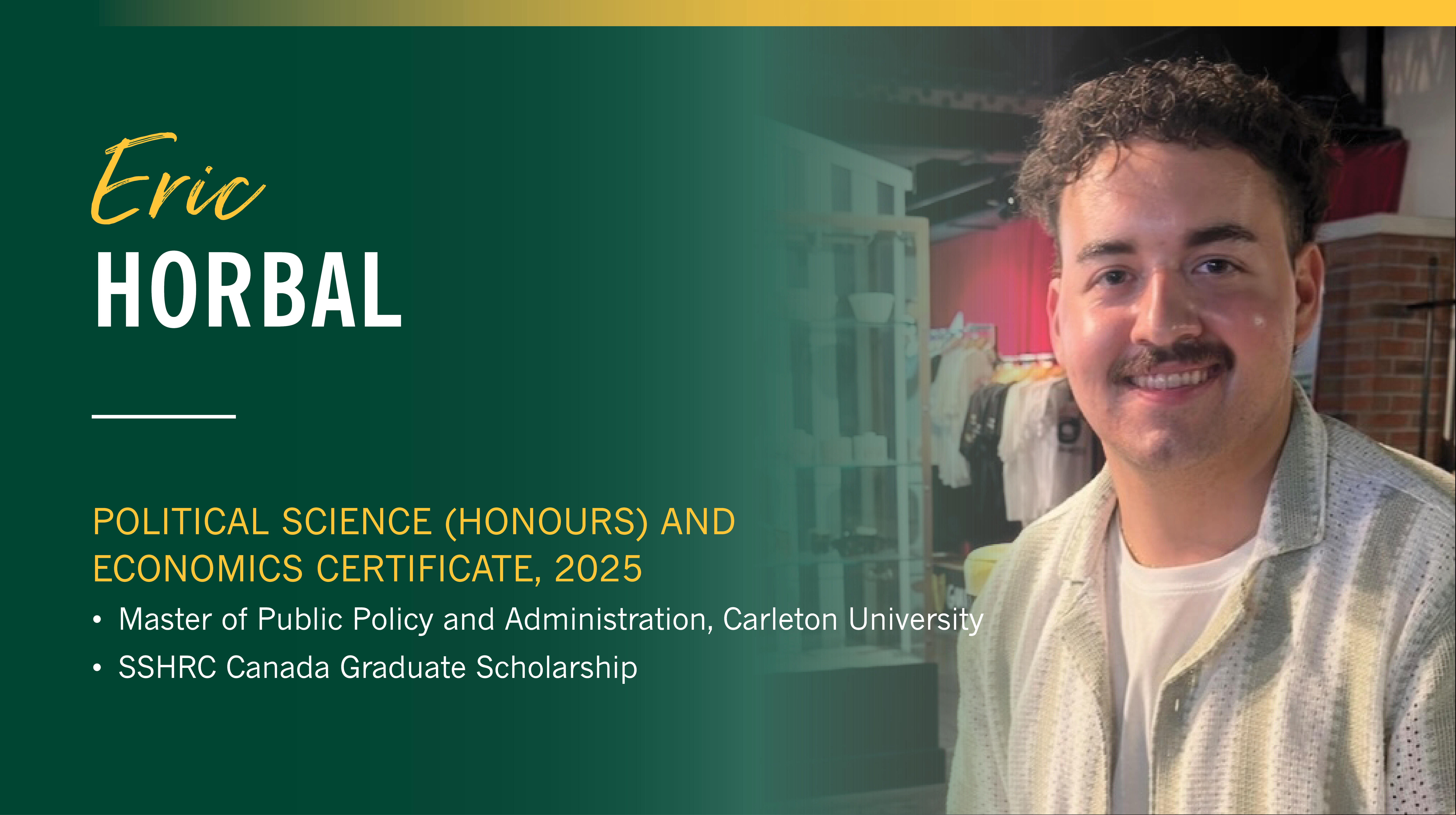
Eric Horbal
“As a PAIS student, I learned to always ask the tough questions and to think critically about the things we often take for granted or struggle to understand.”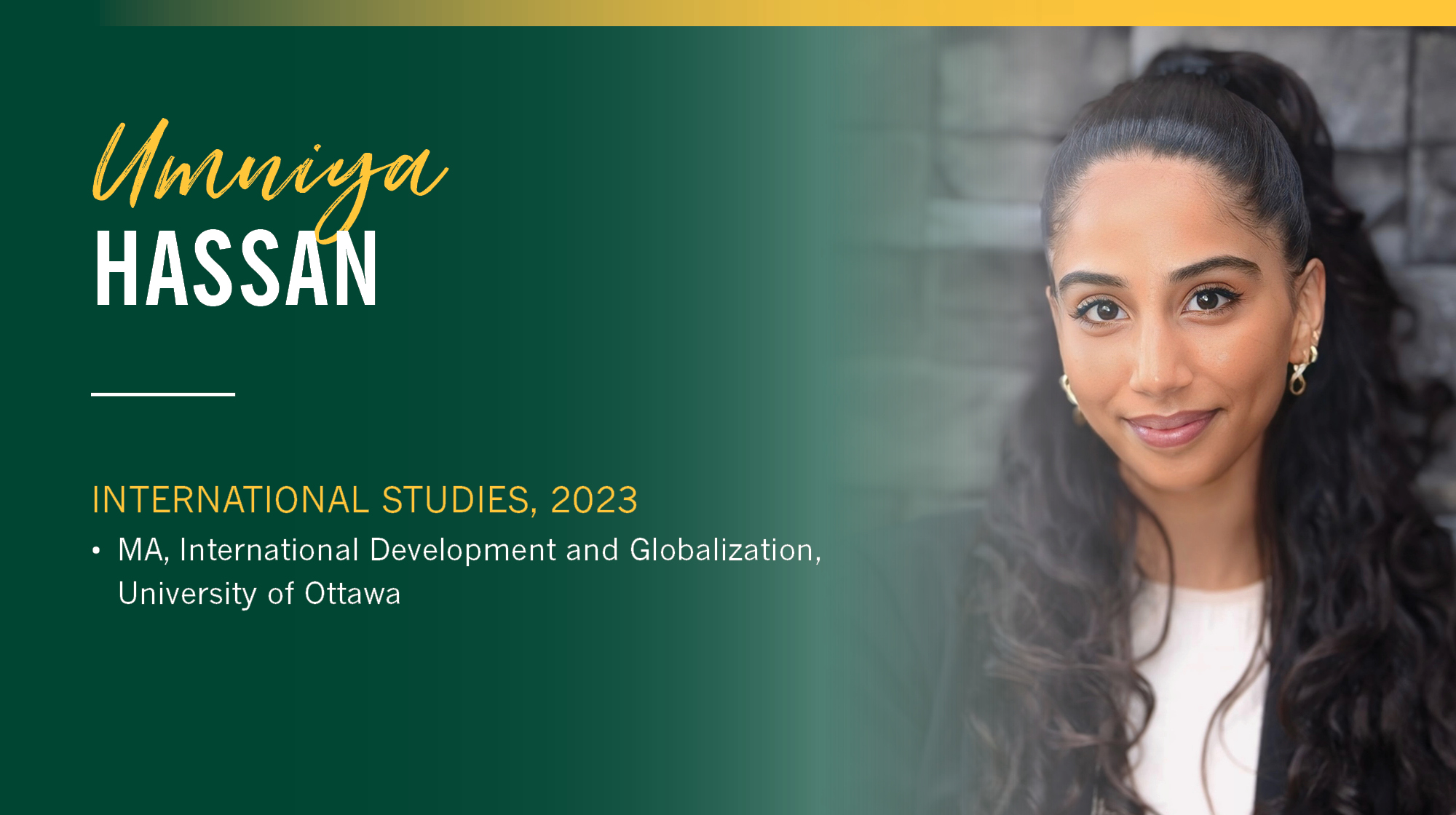
Umniya Hassan
"International Studies classes allowed me to understand and analyze the power civilians can achieve when they come together to fight for their liberties.”
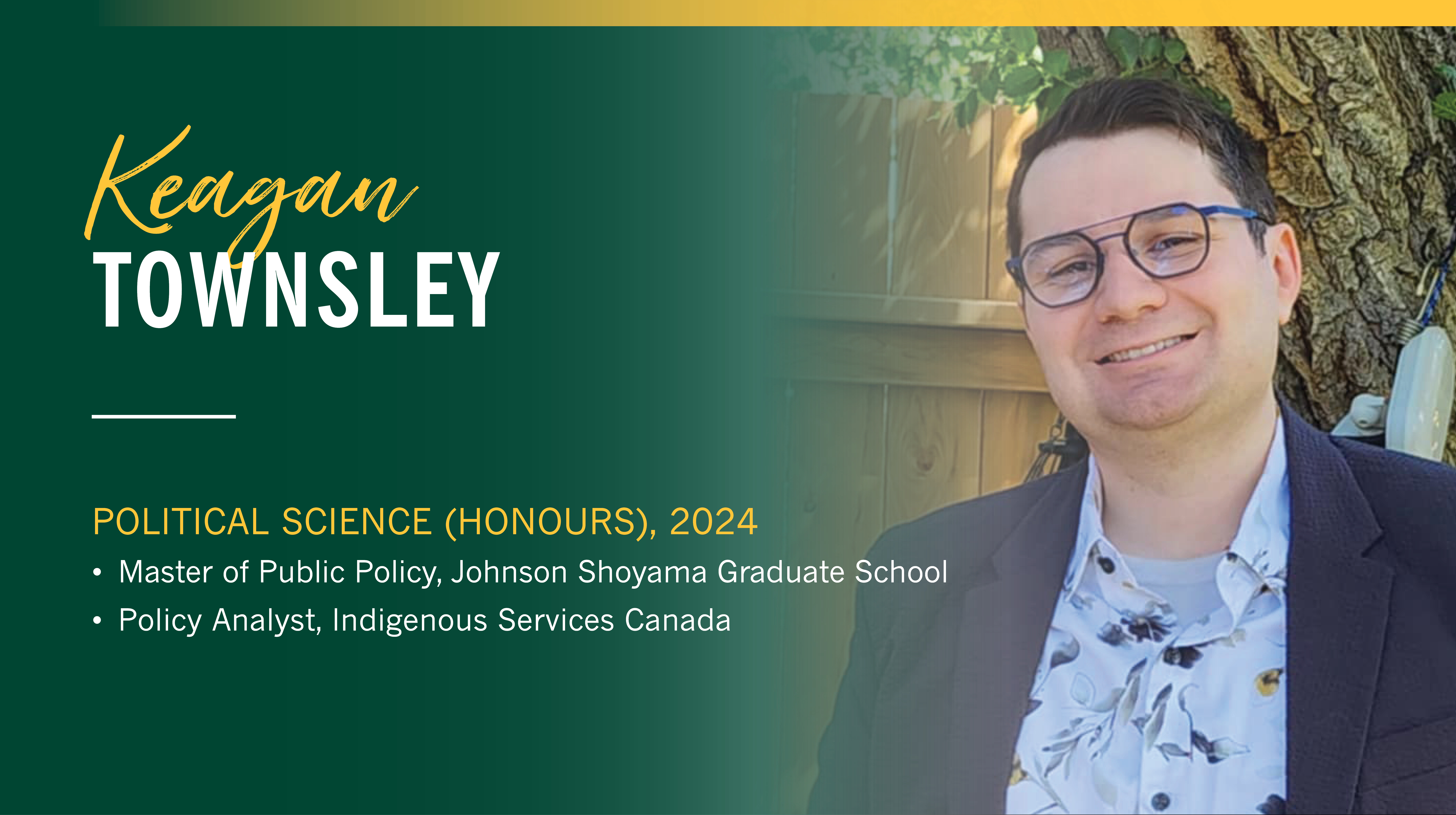
Keagan Townsley
"The mentorship of PAIS department faculty and staff prepared me to pursue higher education and a professional position as a policy analyst."
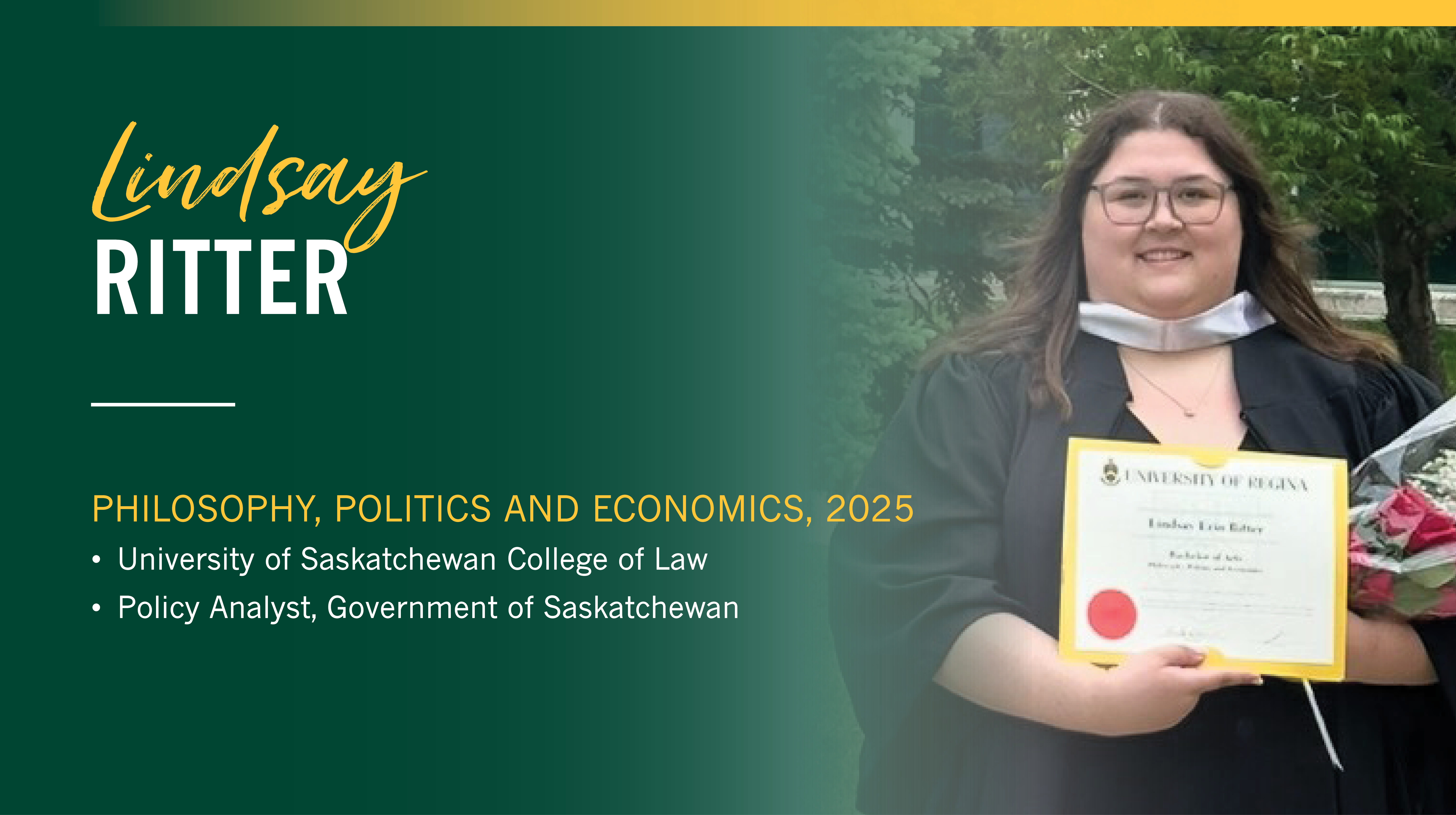
Lindsay Ritter
"PPE taught me the critical thinking and analytical skills, as well as writing, logical reasoning, and reading comprehension that are required for law school."
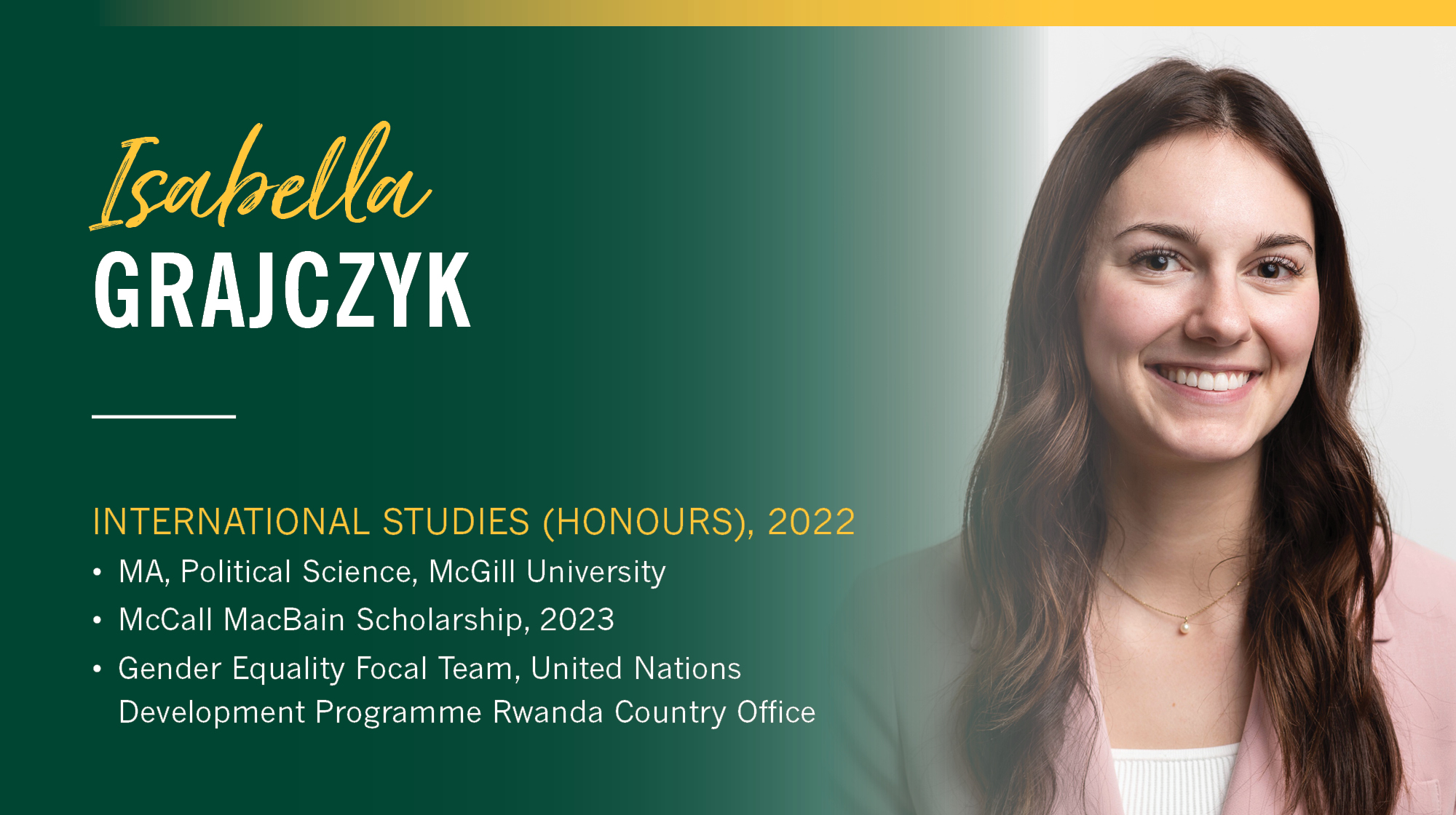
Isabella Grajczyk
"There is so much to learn about how countries interact, how global governance works, and how development initiatives can transform societies."
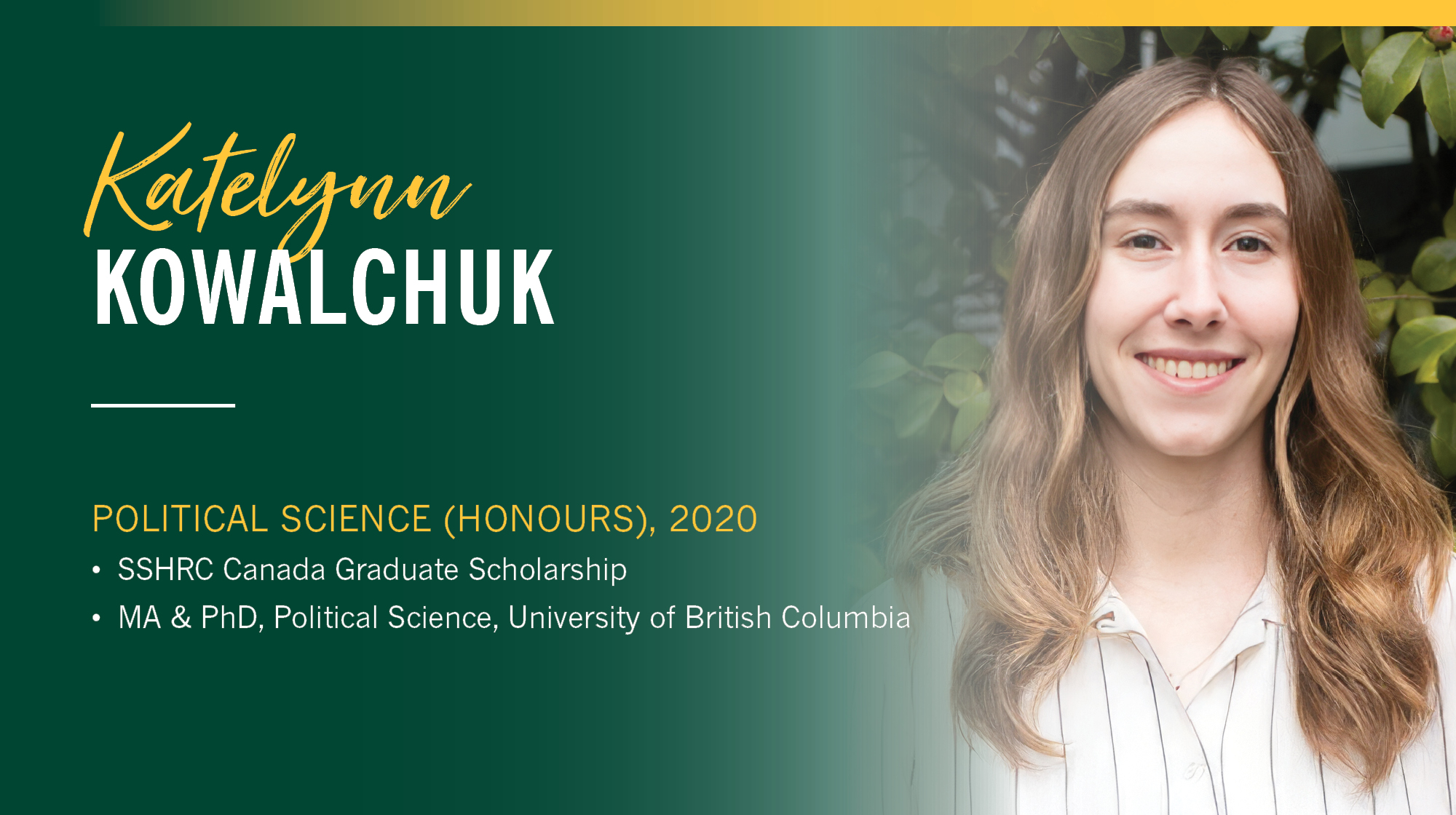
Katelynn Kowalchuk
“I was able to adjust to the expectations of graduate school with ease thanks to the mentorship of PAIS faculty, and their support was invaluable to me as a first-generation university student.”
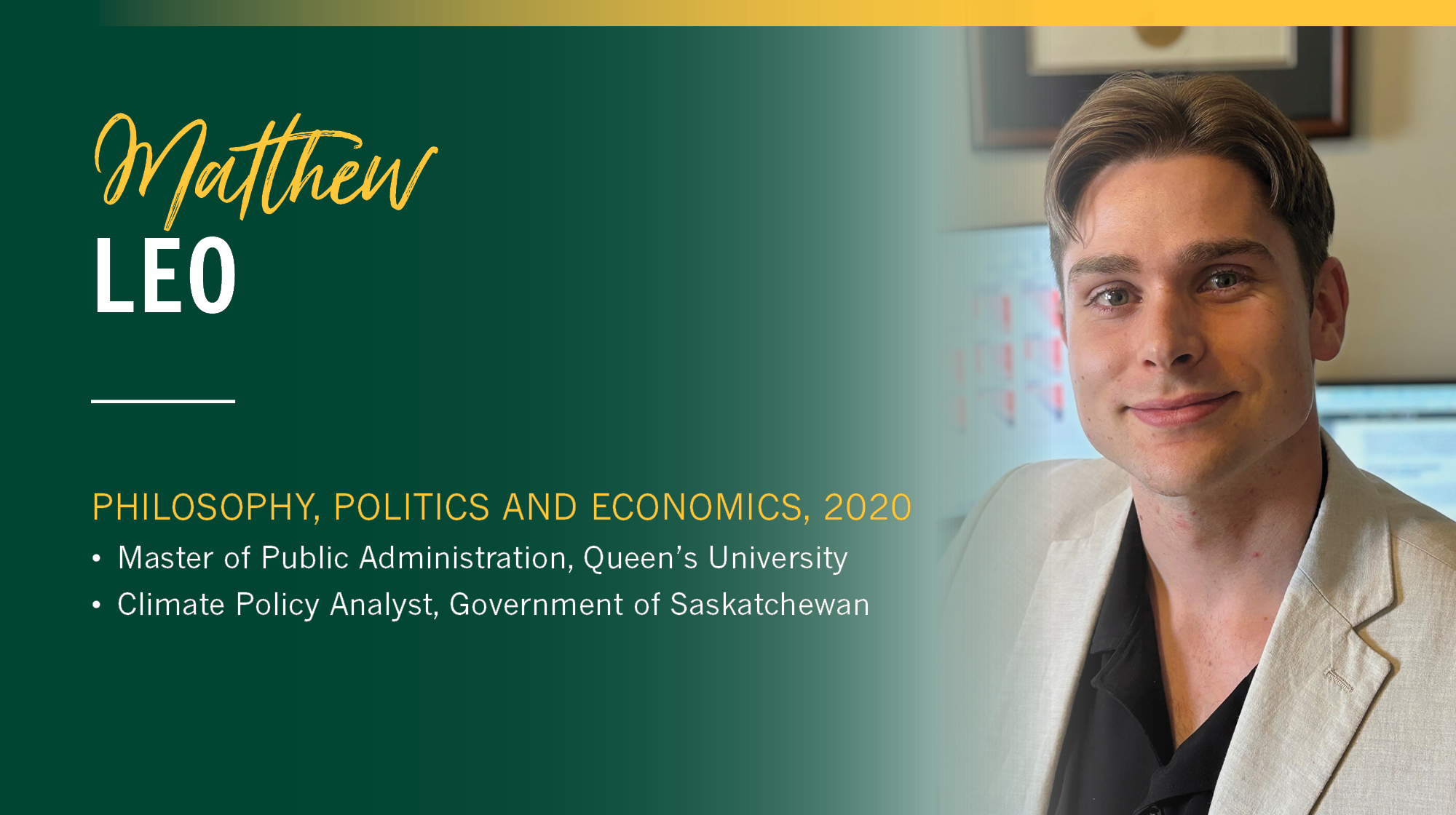
Matthew Leo
“PPE offers versatility and opens up a variety of career opportunities in government, non-profits, business, journalism, law, and academia.”
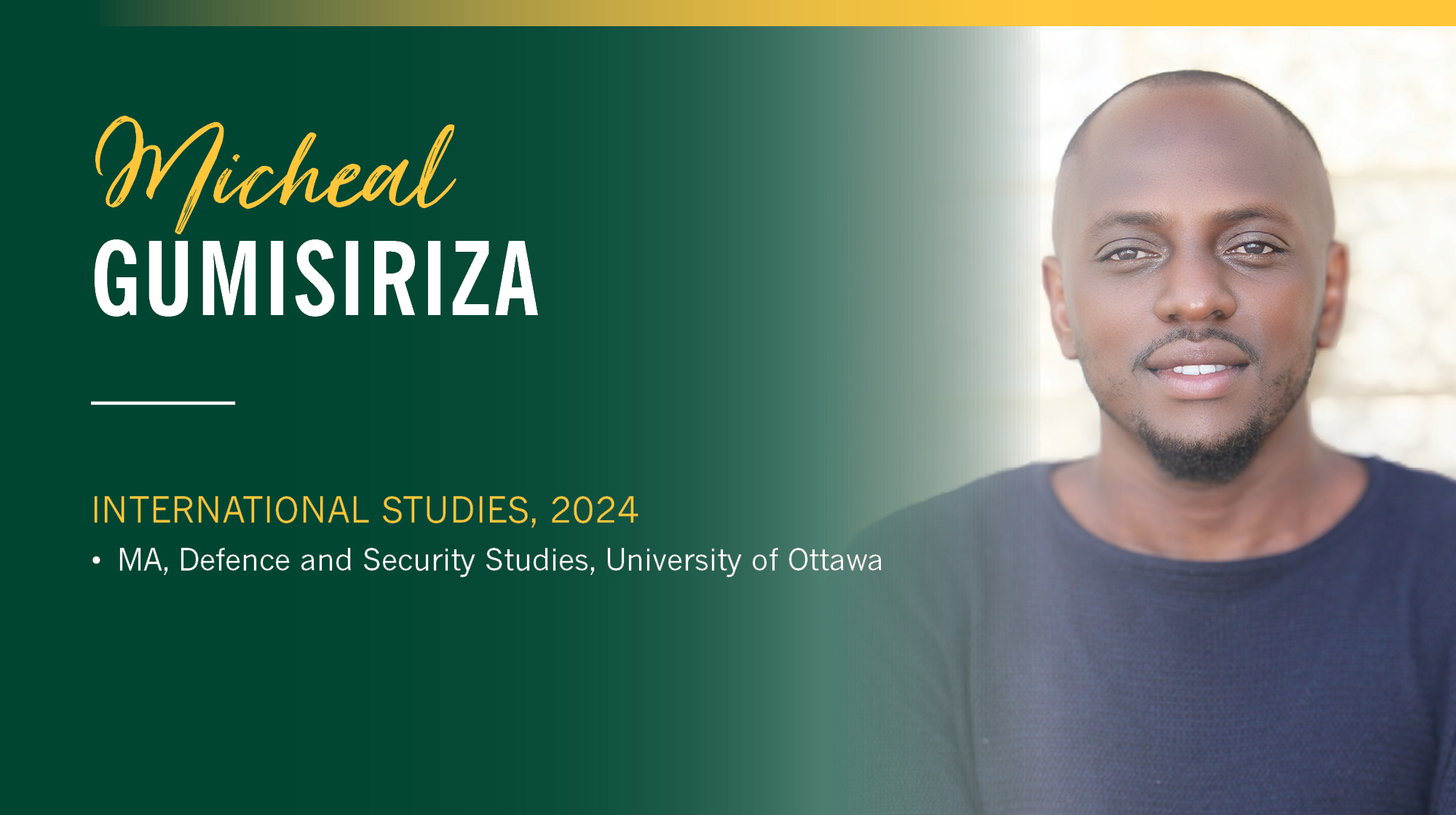
Michael Gumisiriza
"I have been working as a police officer for the past five years. International Studies inspired me to shift my ambitions towards the security sector.”
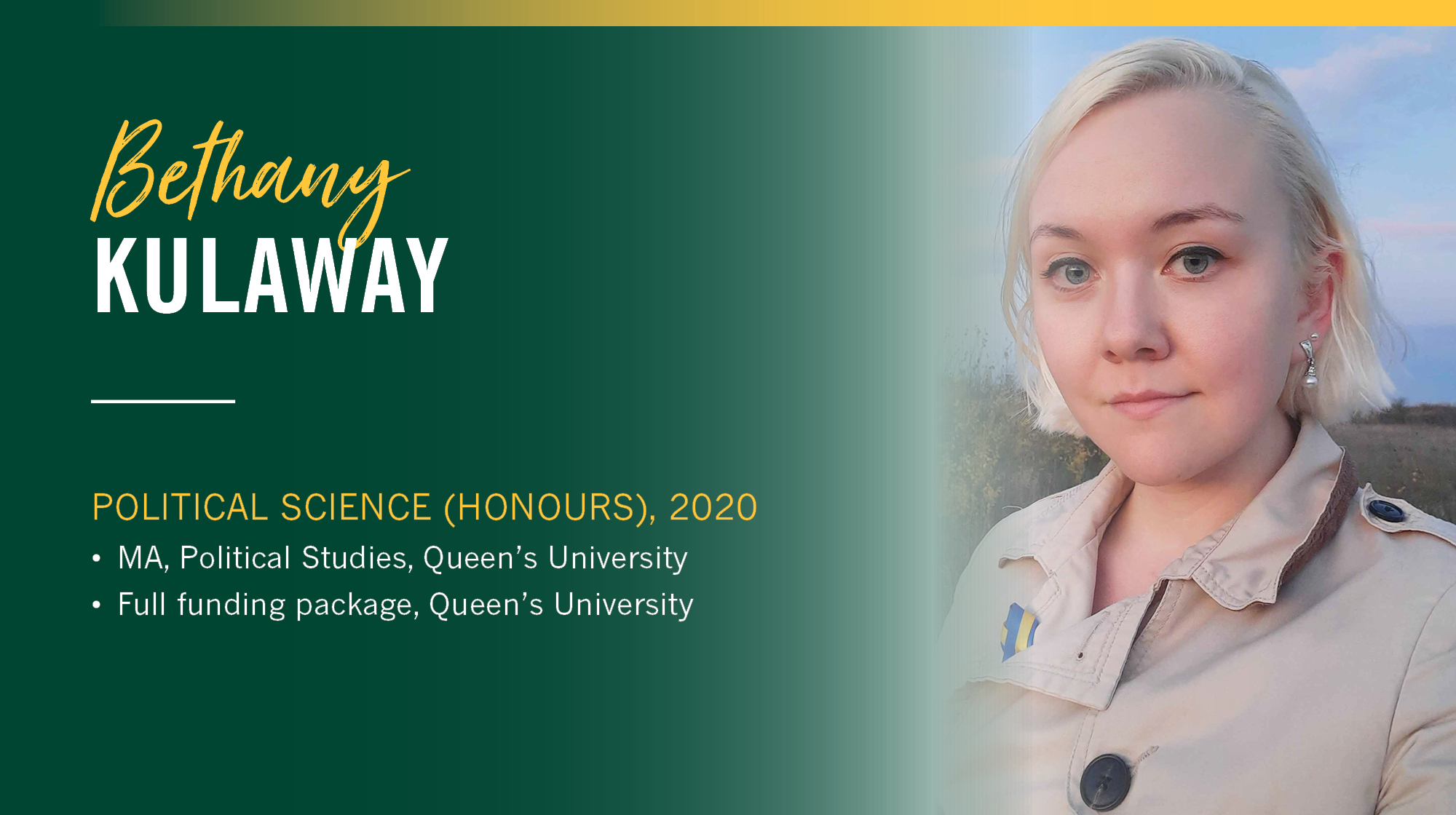
Bethany Kulaway
"My Political Science degree boosted my curiosity. It’s important to have your views challenged, and learn to think critically about what you believe and why you believe it."
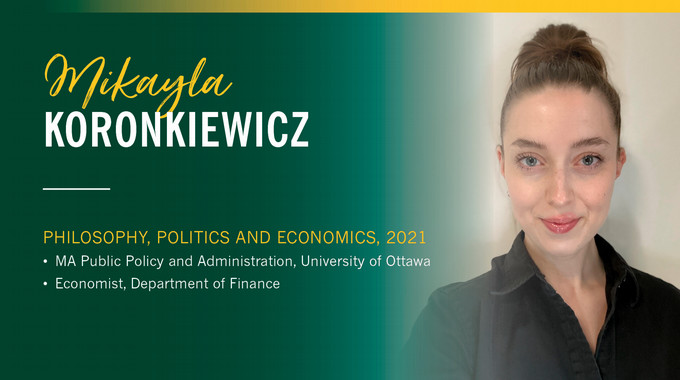
Mikayla Koronkiewicz
“My PAIS degree perfectly set me up to dive deeper into policy work at a graduate level.”
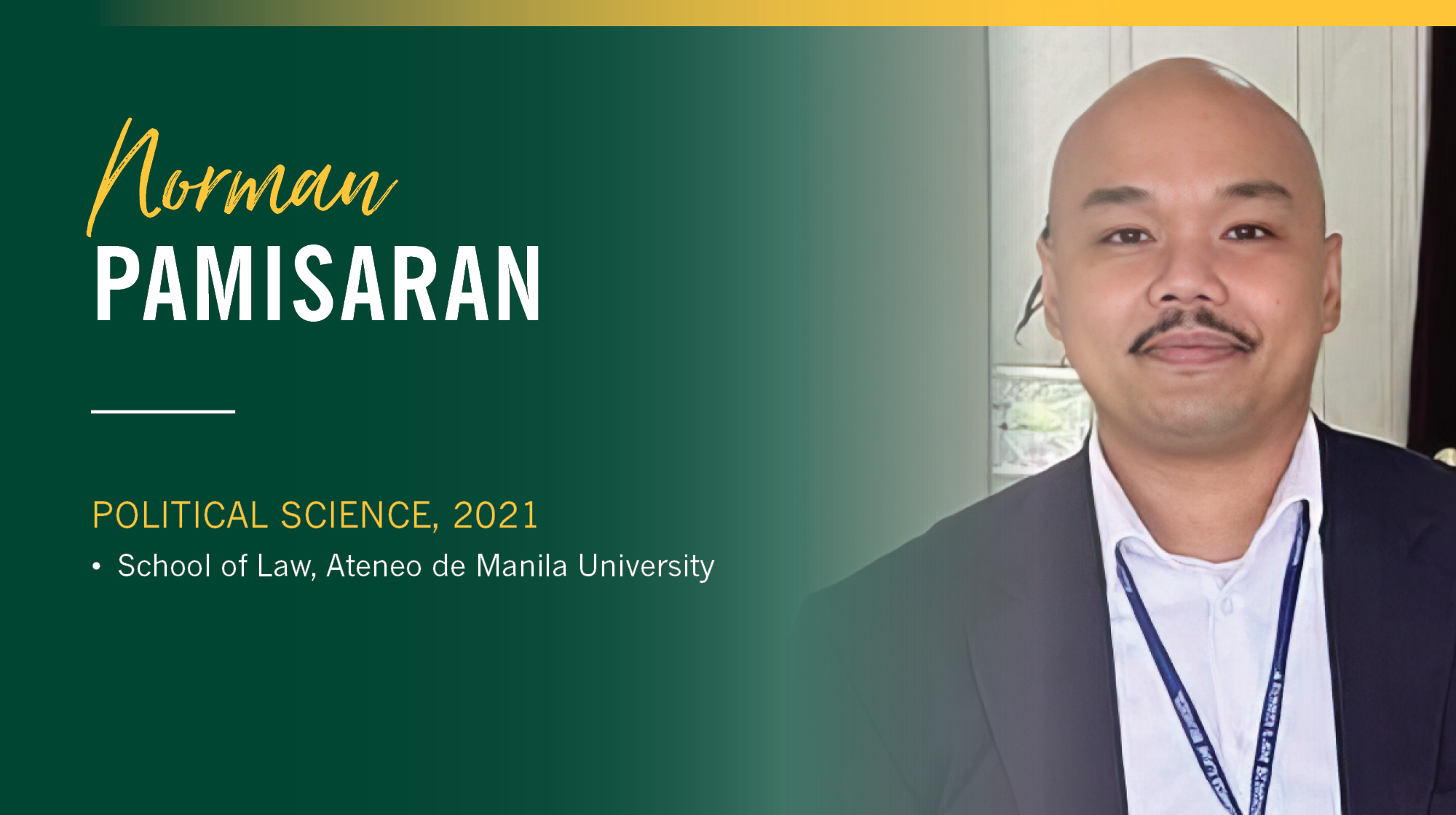
Norman Pamisaran
"My mentors welcomed and challenged my curiousity, which enabled me to apply what I learned in my PSCI classes to worthwhile civic activities back in the Philippines.”
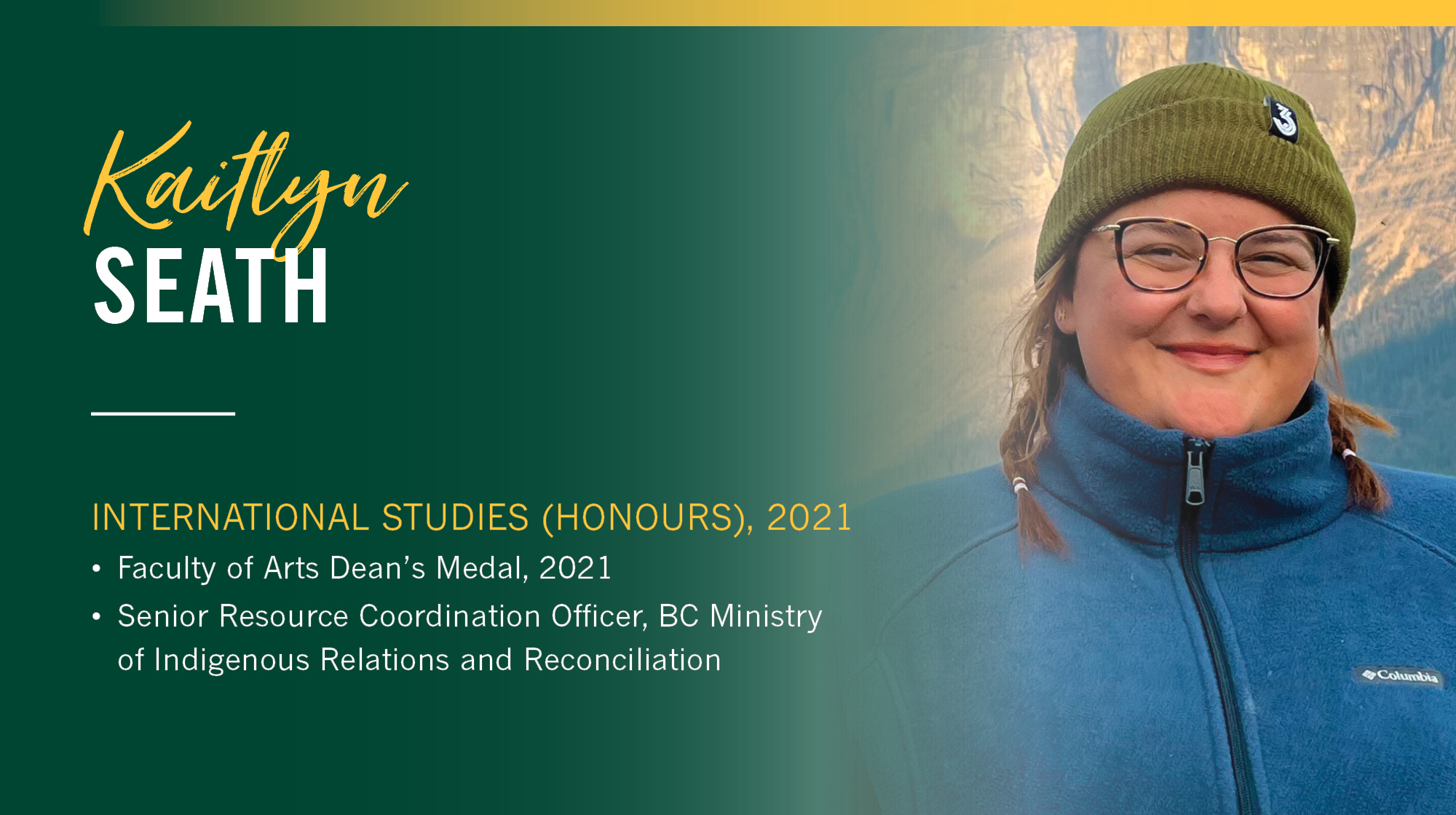
Kaitlyn Seath
"International Studies prepared me to analyze complex issues from multiple perspectives—political, environmental, legal, economic, and social—enabling me to propose holistic solutions that consider the interconnected nature of our world.”
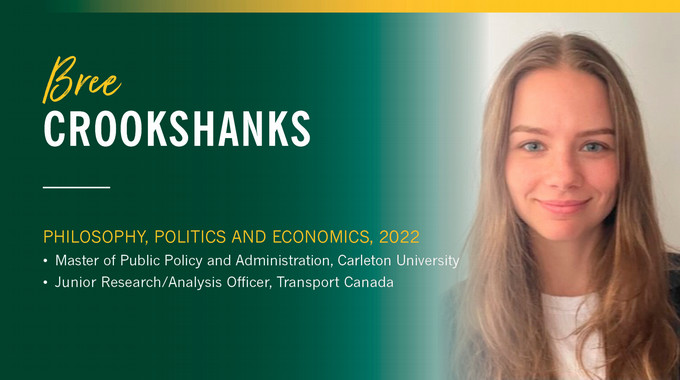
Bree Crookshanks
“The PPE program prepared me with a strong foundation for the knowledge and skills needed for the field of public policy.”
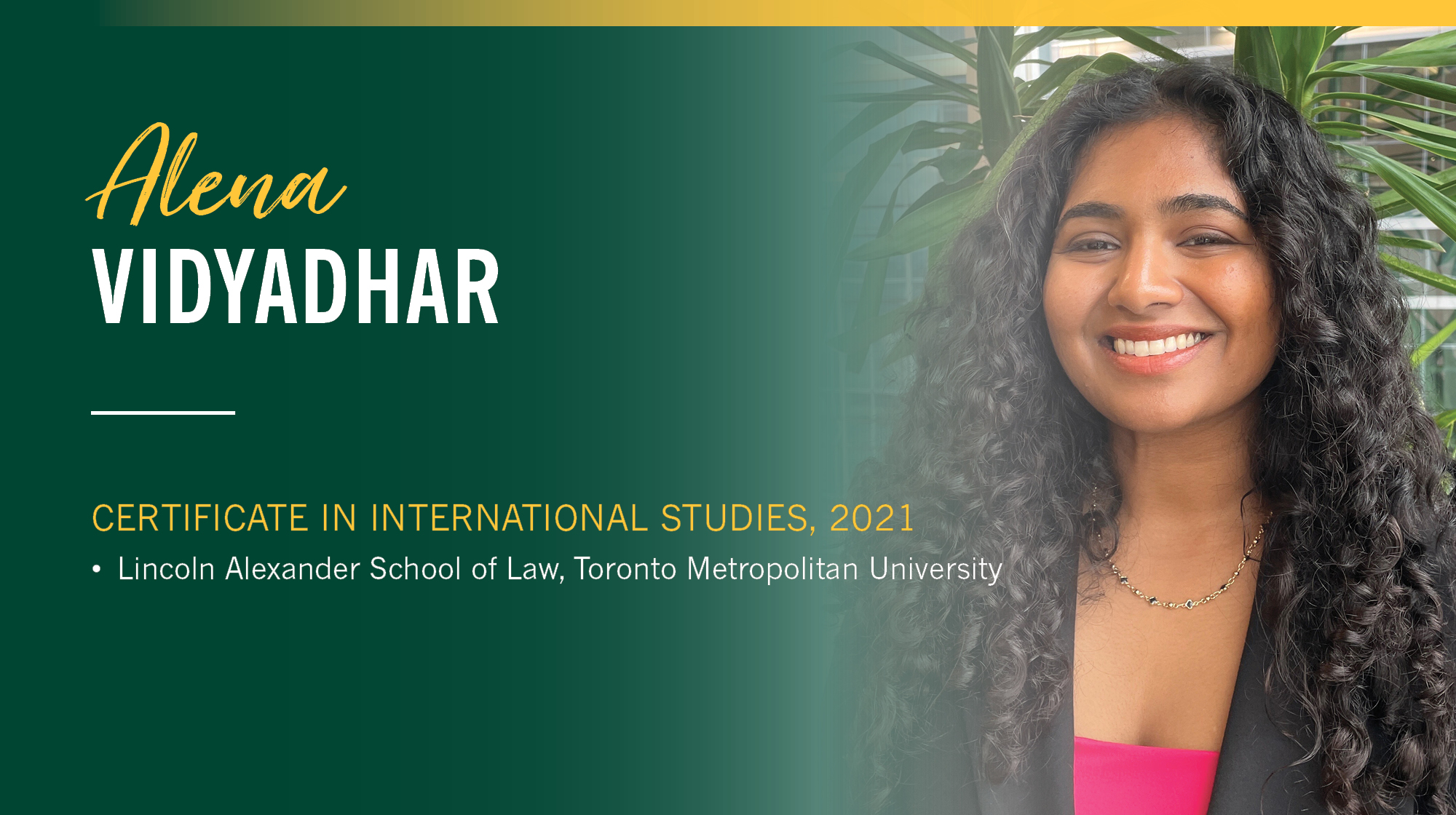
Alena Vidyadhar
"PAIS classes primed me to engage in thoughtful debate, and think critically—two key skills in the legal profession.”
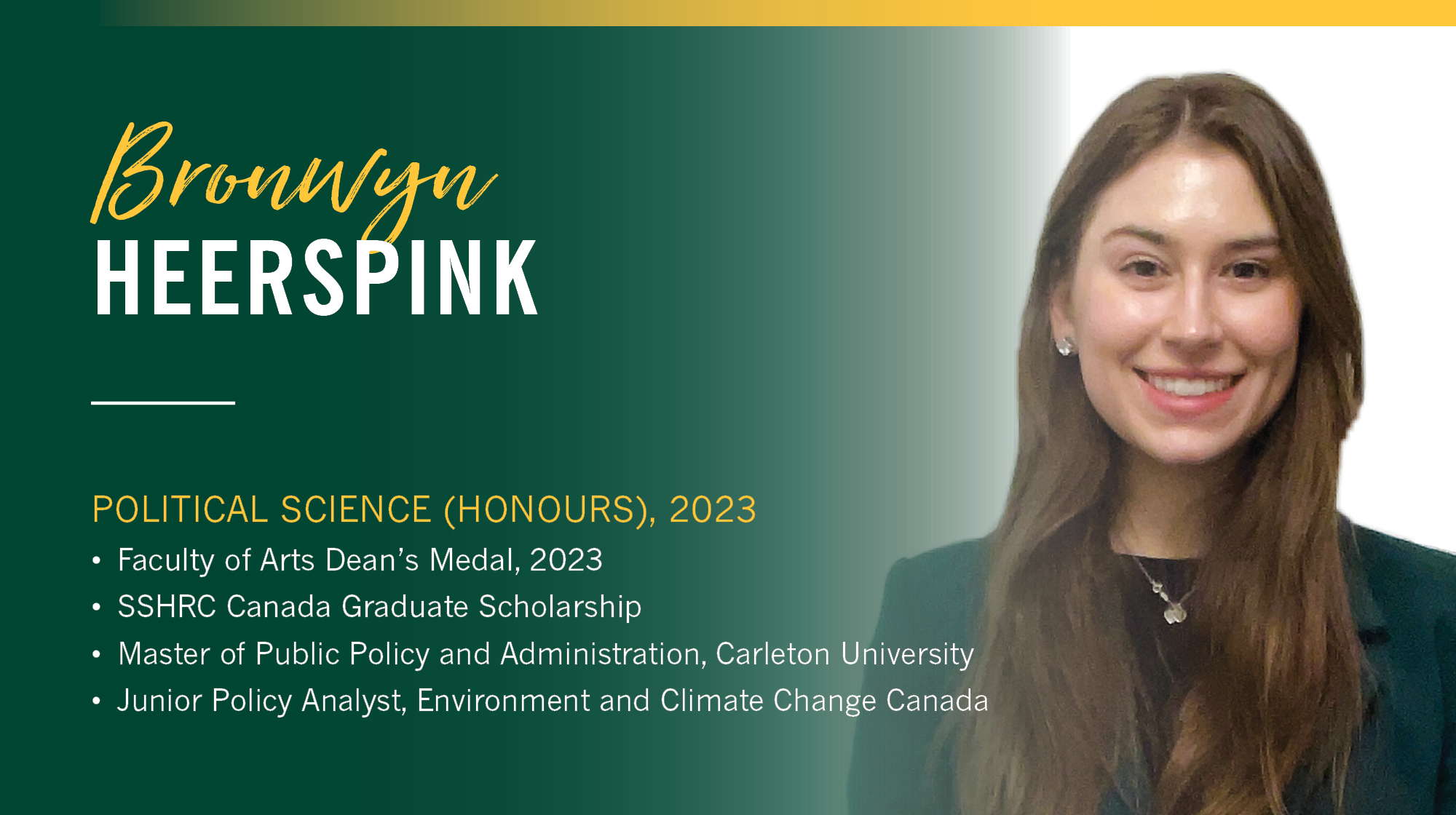
Bronwyn Heerspink
"I appreciate how PAIS encourages students to learn practical skills to prepare them for employment after they graduate.”
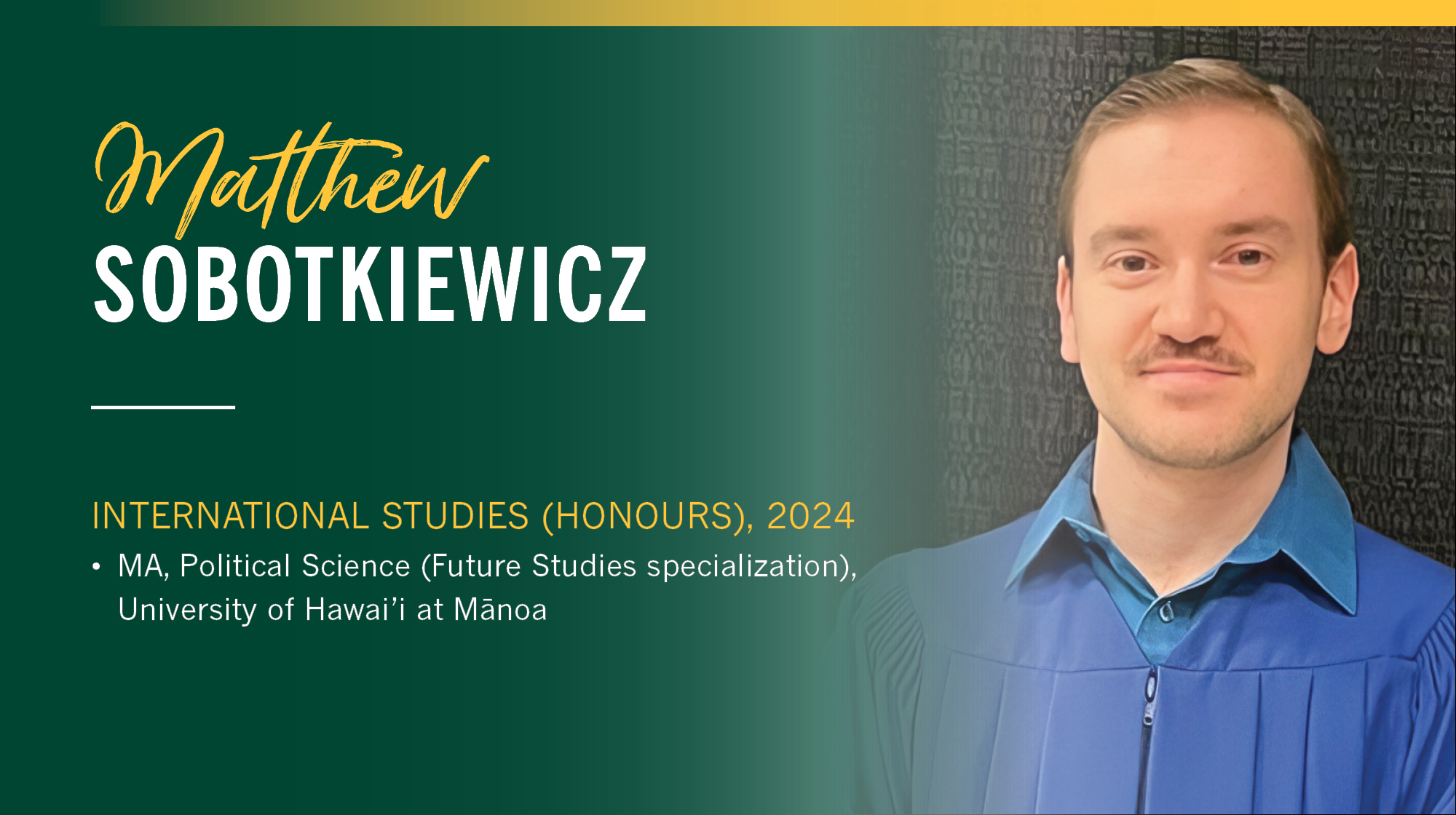
Matthew Sobotkiewicz
"Completing my Honours in International Studies provided me with experience in writing a thesis paper and gave me the confidence to go on to write a Master's thesis.”
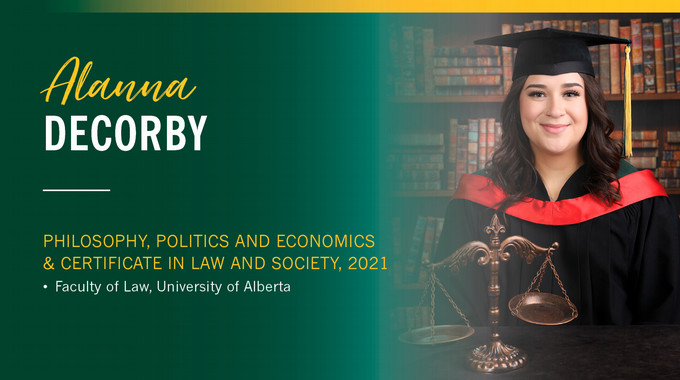
Alanna Decorby
“Working as a Research Assistant with PSCI professors provided me with endless opportunities for learning and growing in the field of Political Science.”
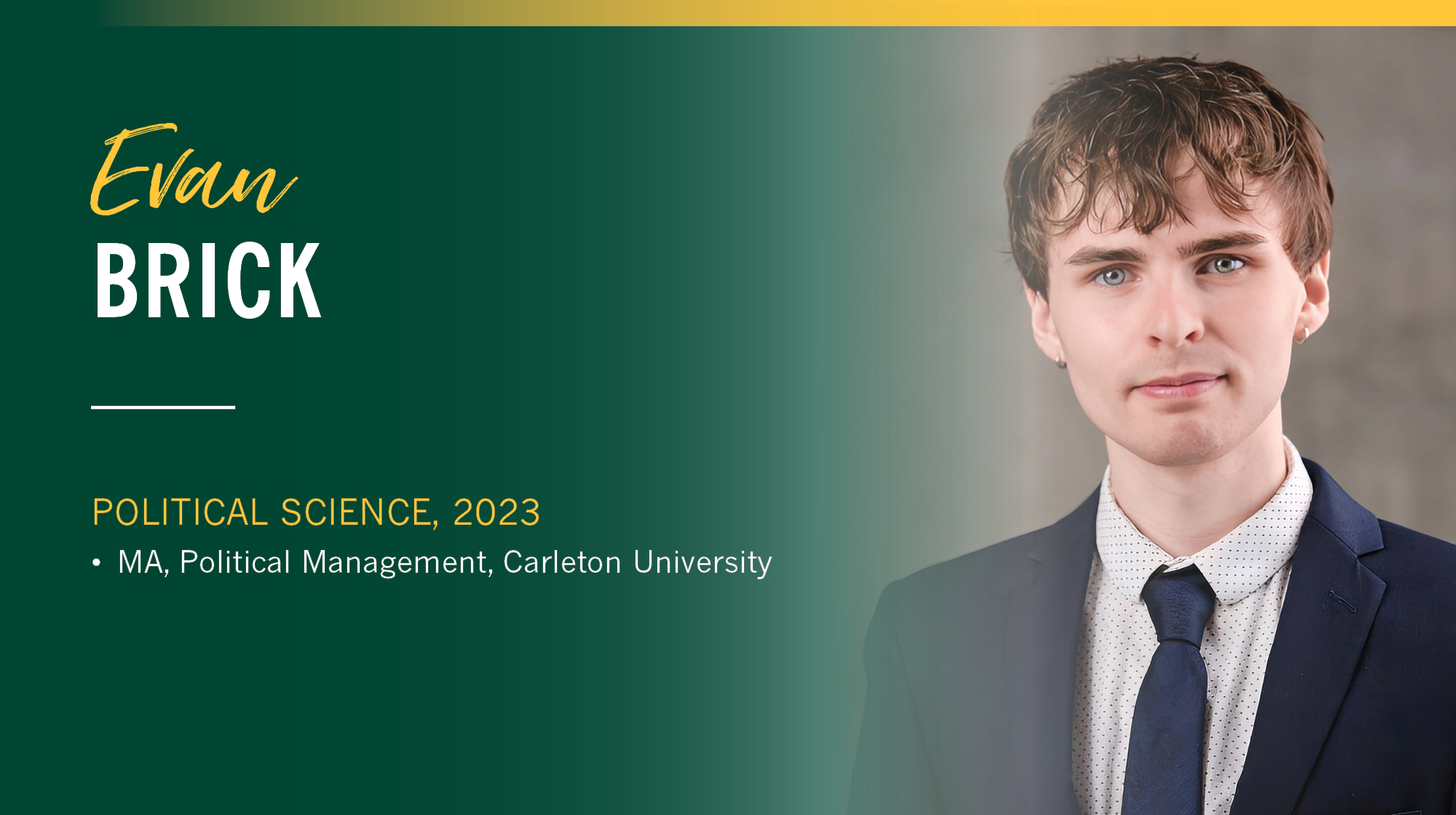
Evan Brick
"I had the opportunity to receive credit for volunteering on a political campaign during a federal election. The network I built created opportunities that have enabled me to pursue a career in politics.”
Upcoming Courses
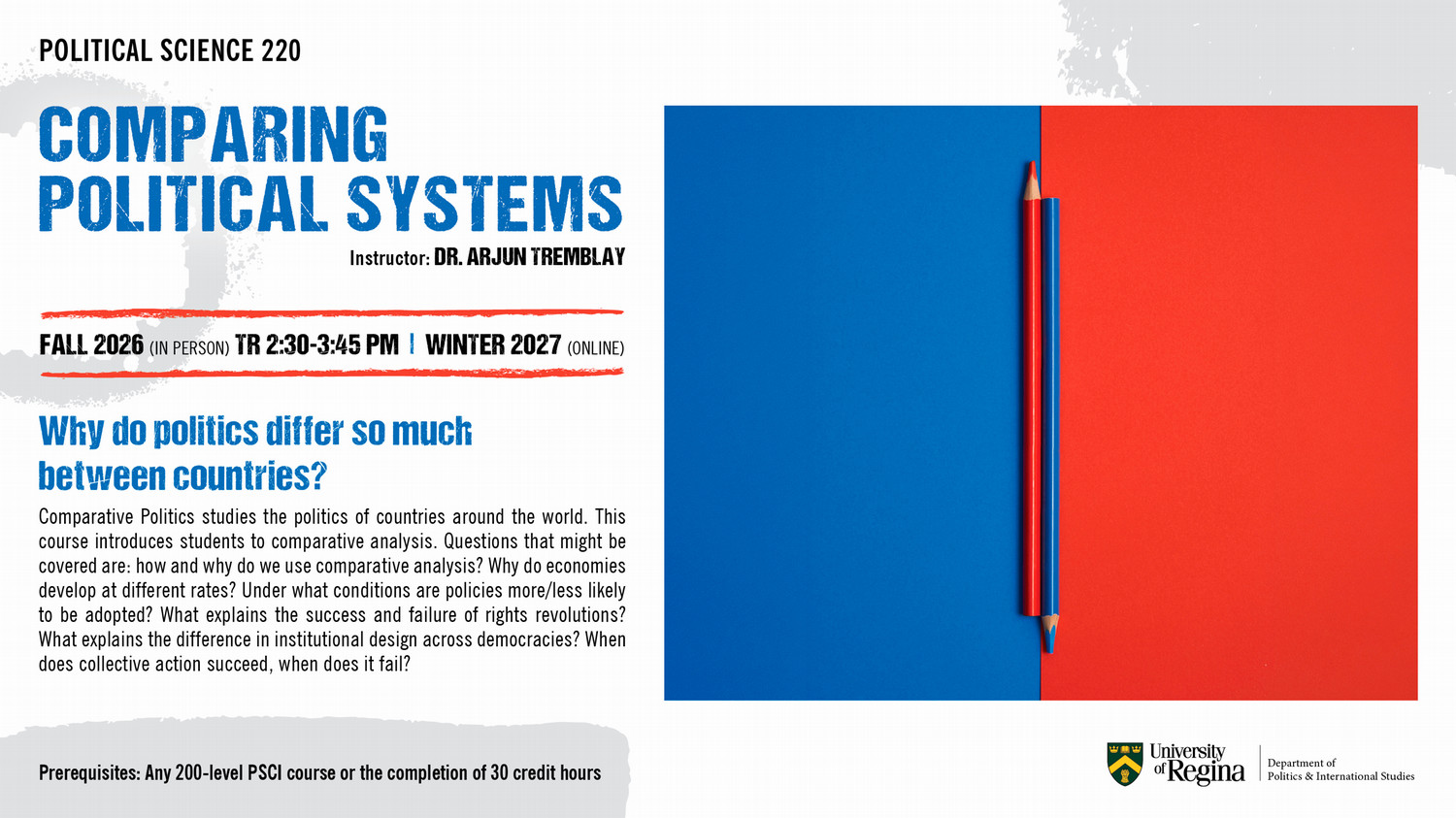
PSCI 220 - Fall 2026
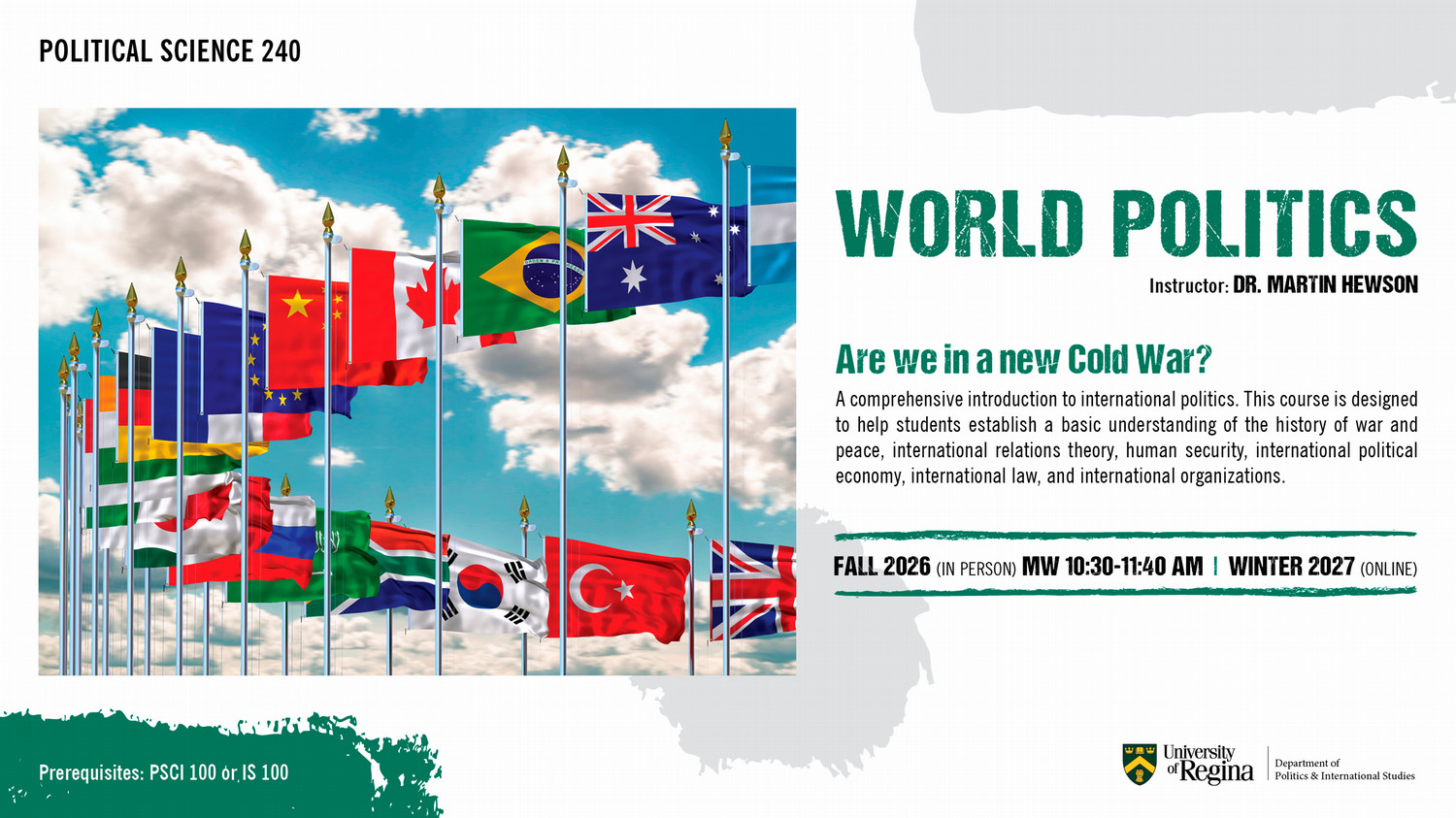
PSCI 240 - Fall 2026
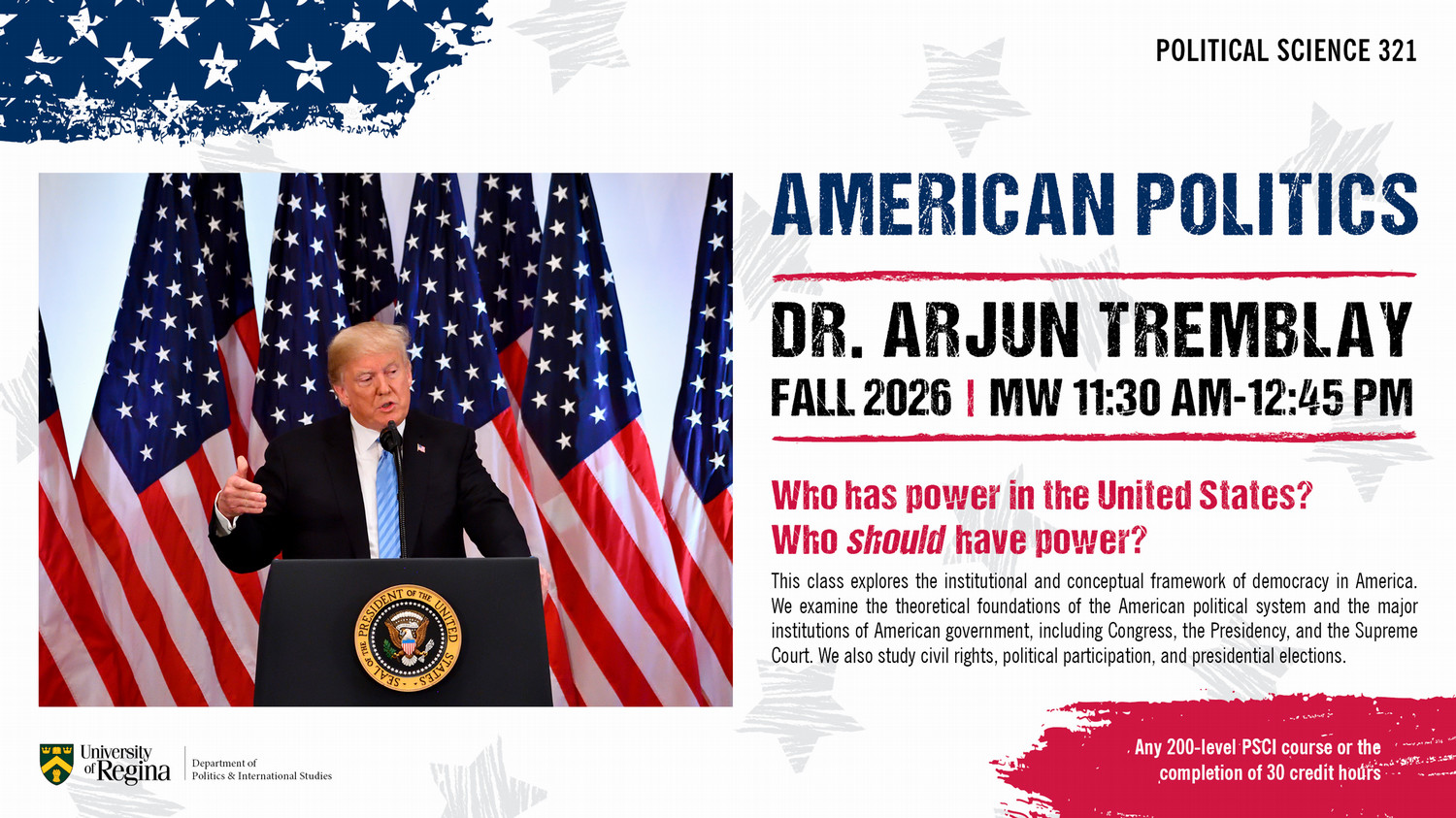
PSCI 321 - Fall 2026
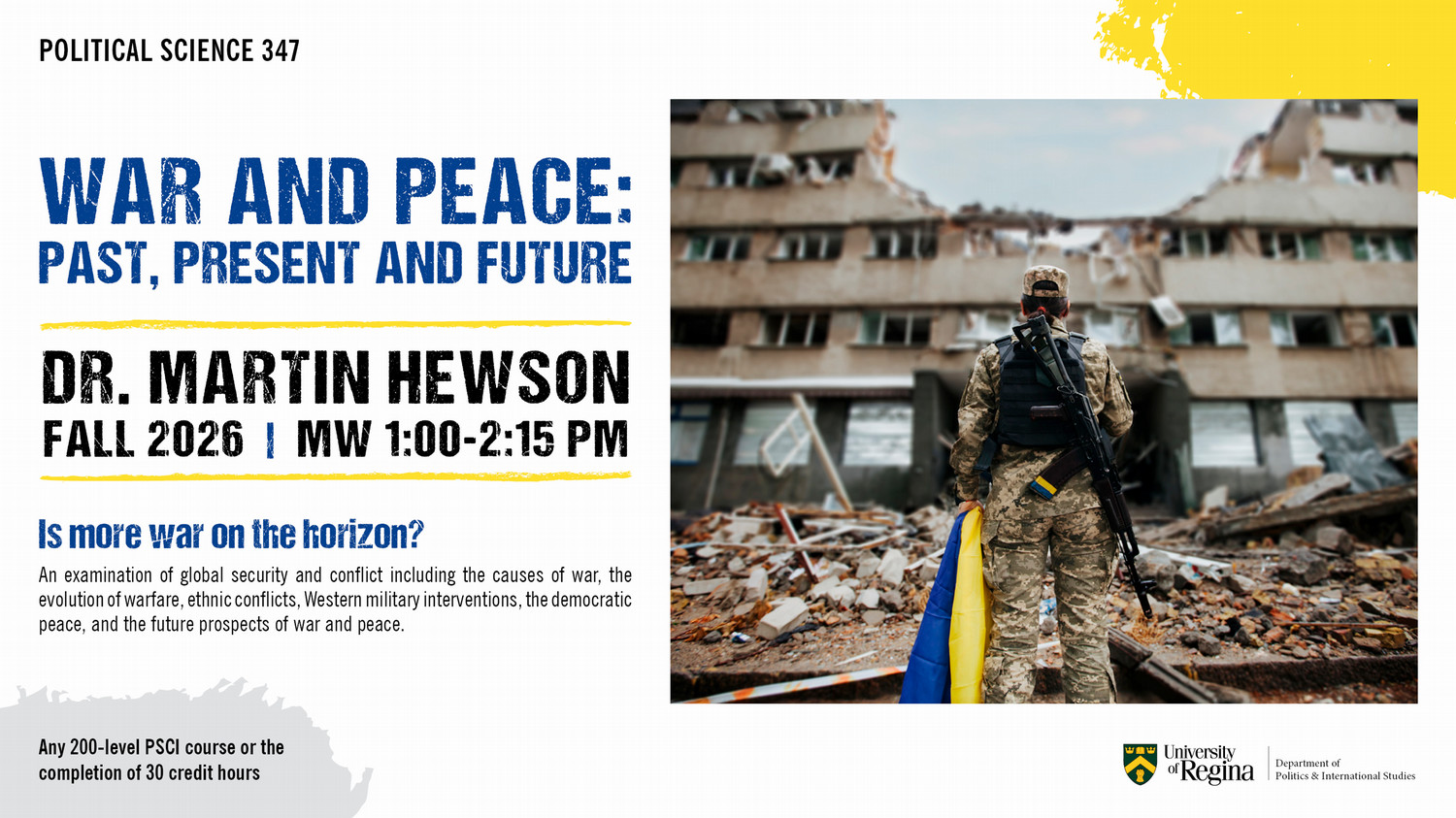
PSCI 347 - Fall 2026
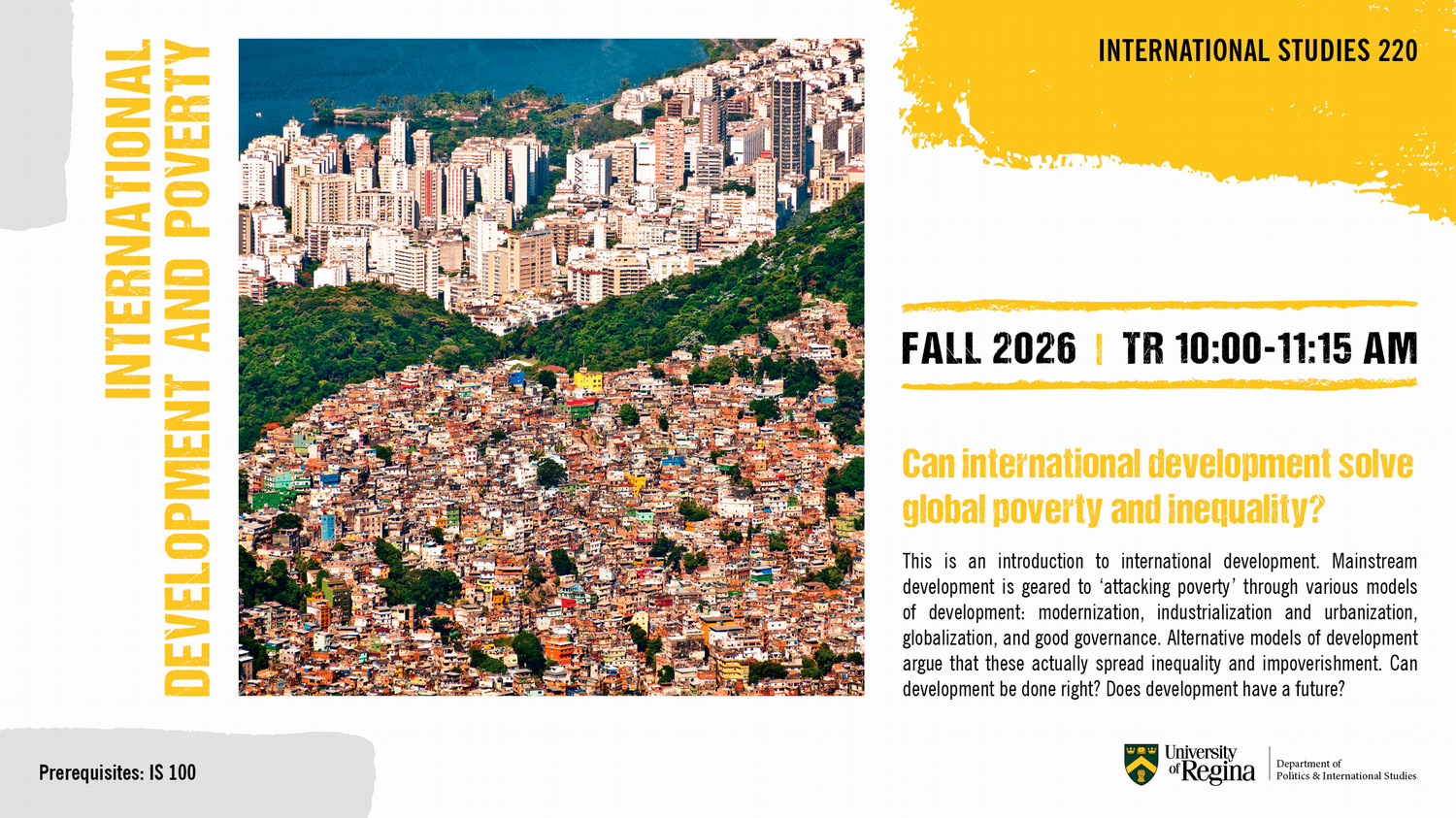
IS 220 - Fall 2026
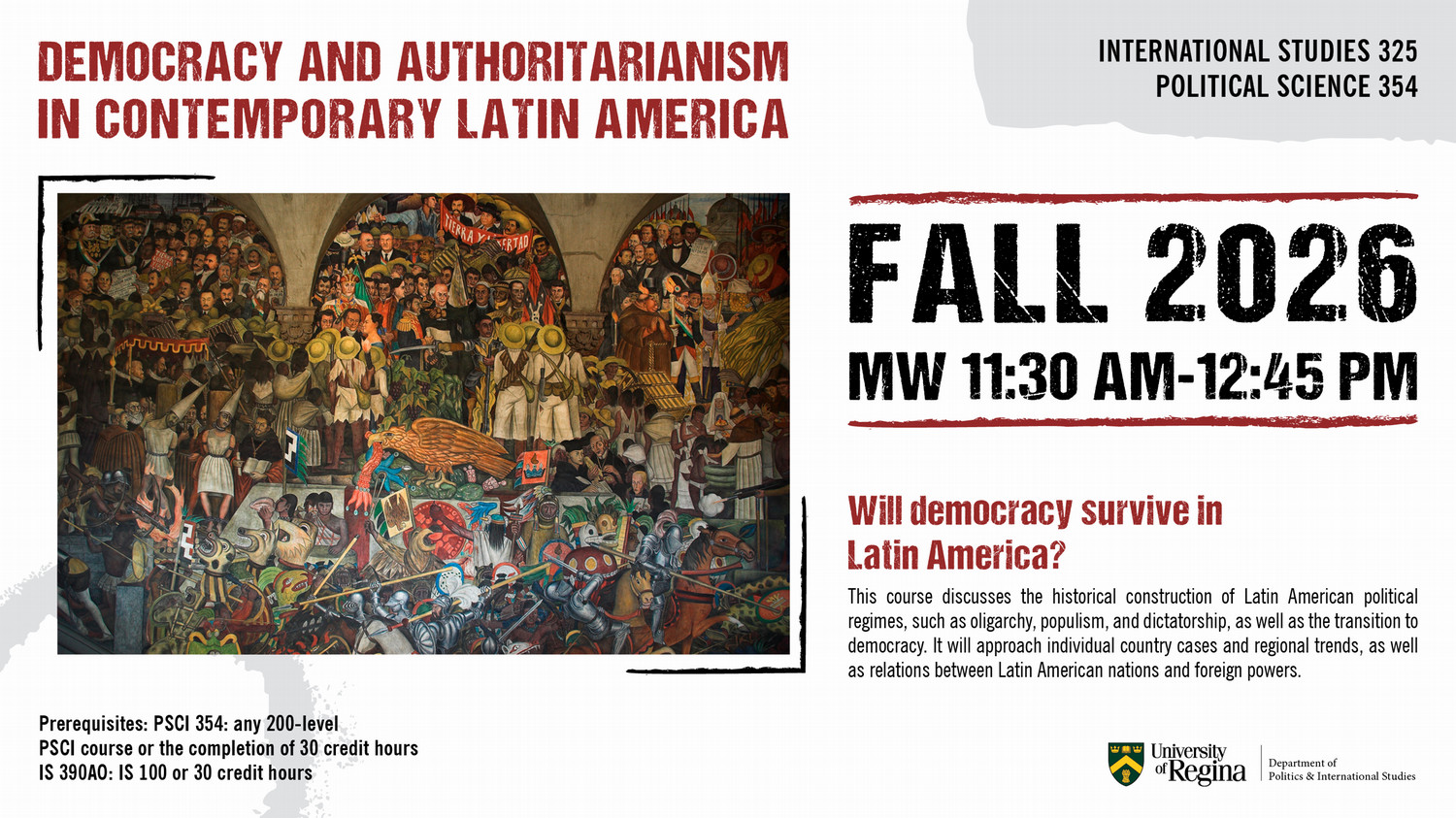
IS 325 / PSCI 354 - Fall 2026
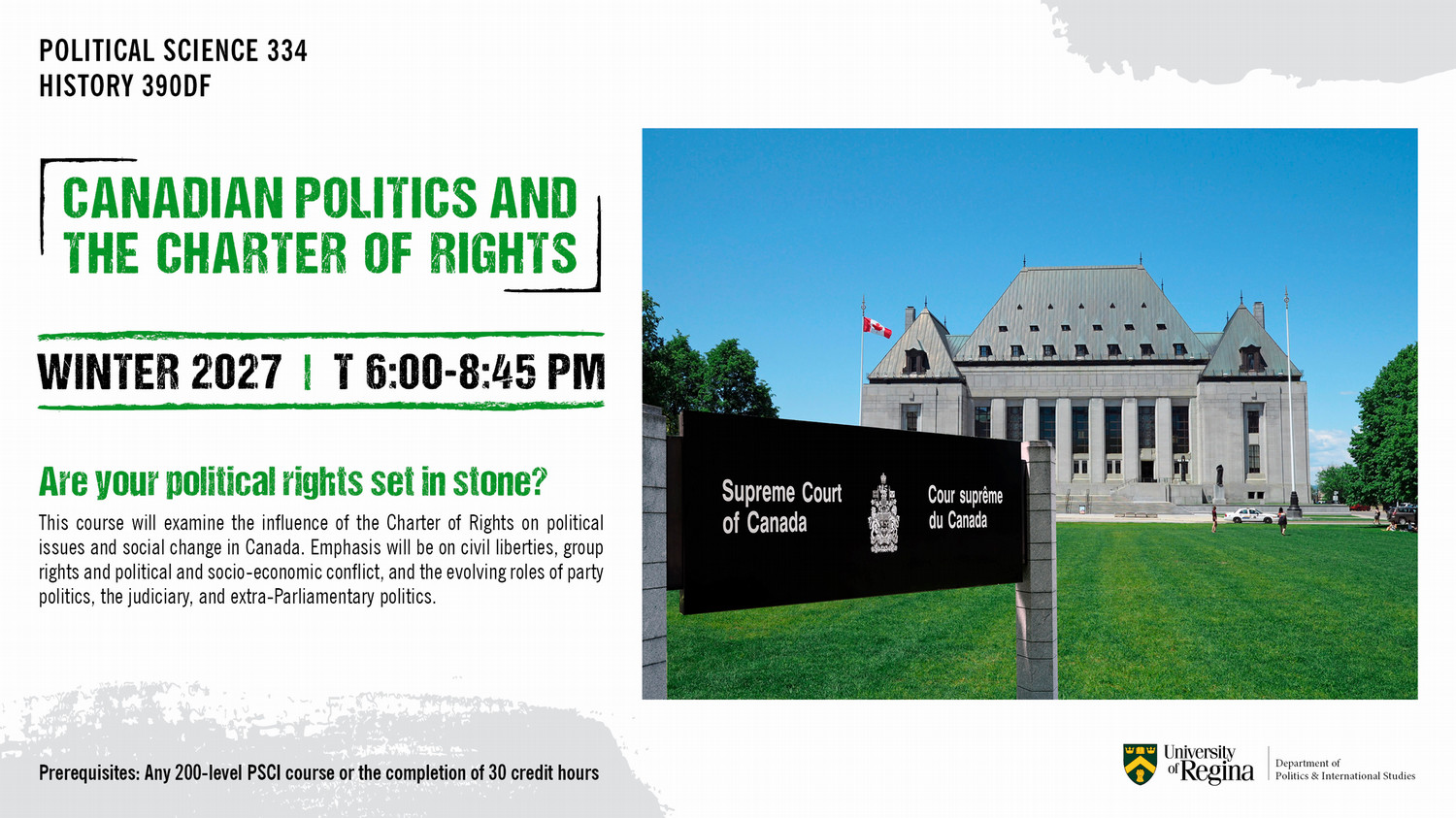
PSCI 334 / HIST 390DF - Winter 2027
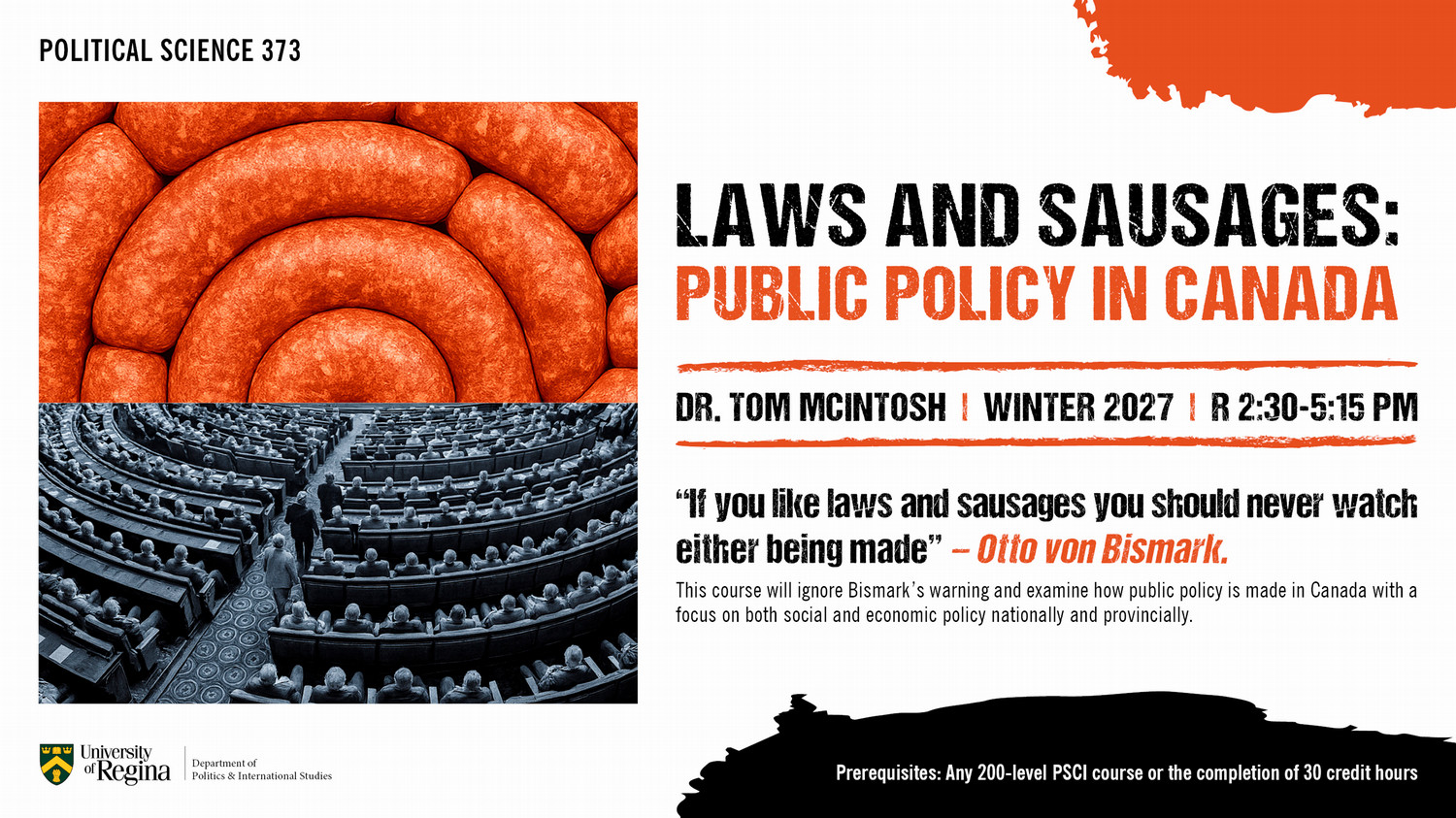
PSCI 373 - Winter 2027
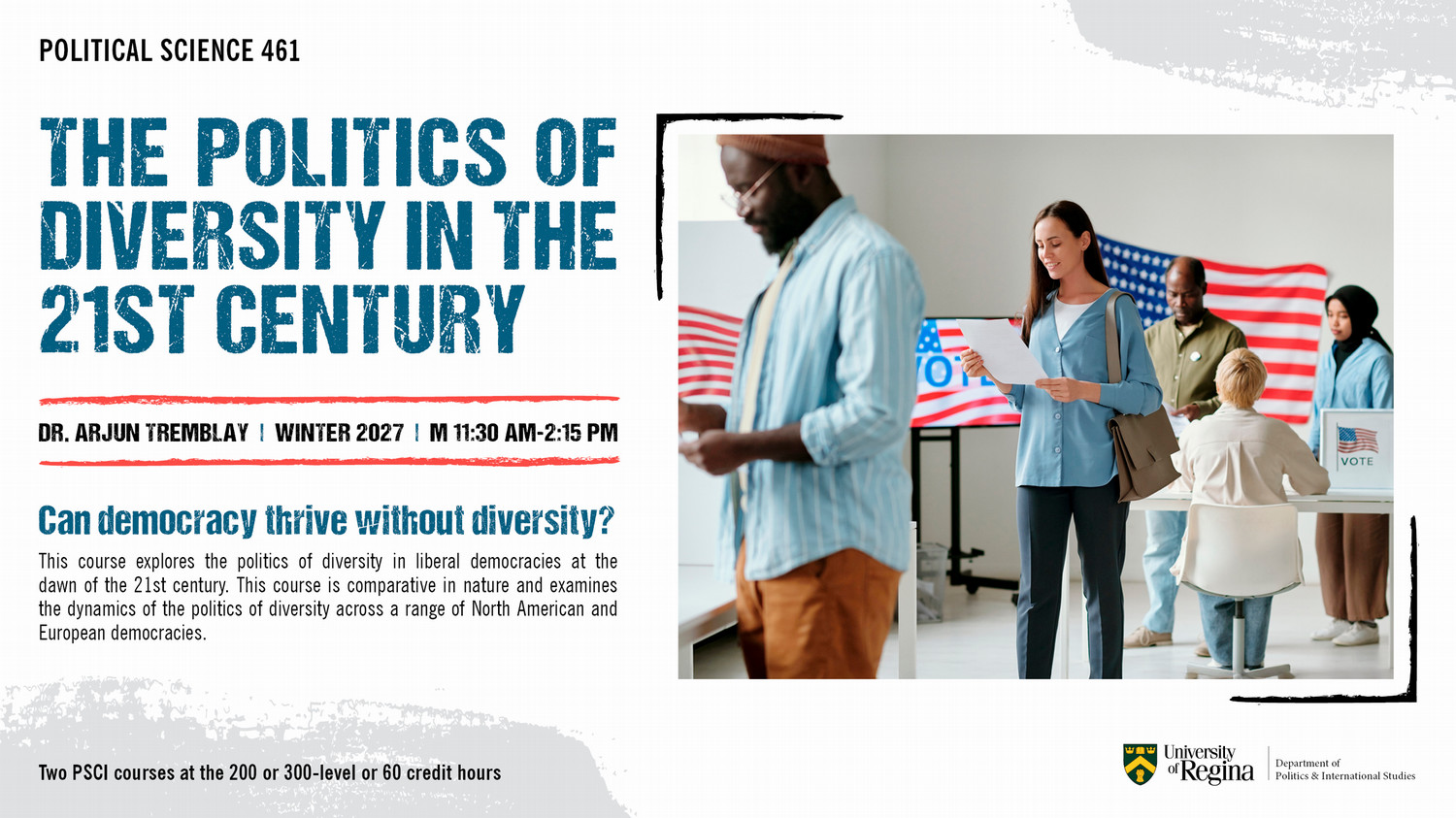
PSCI 461 - Winter 2027
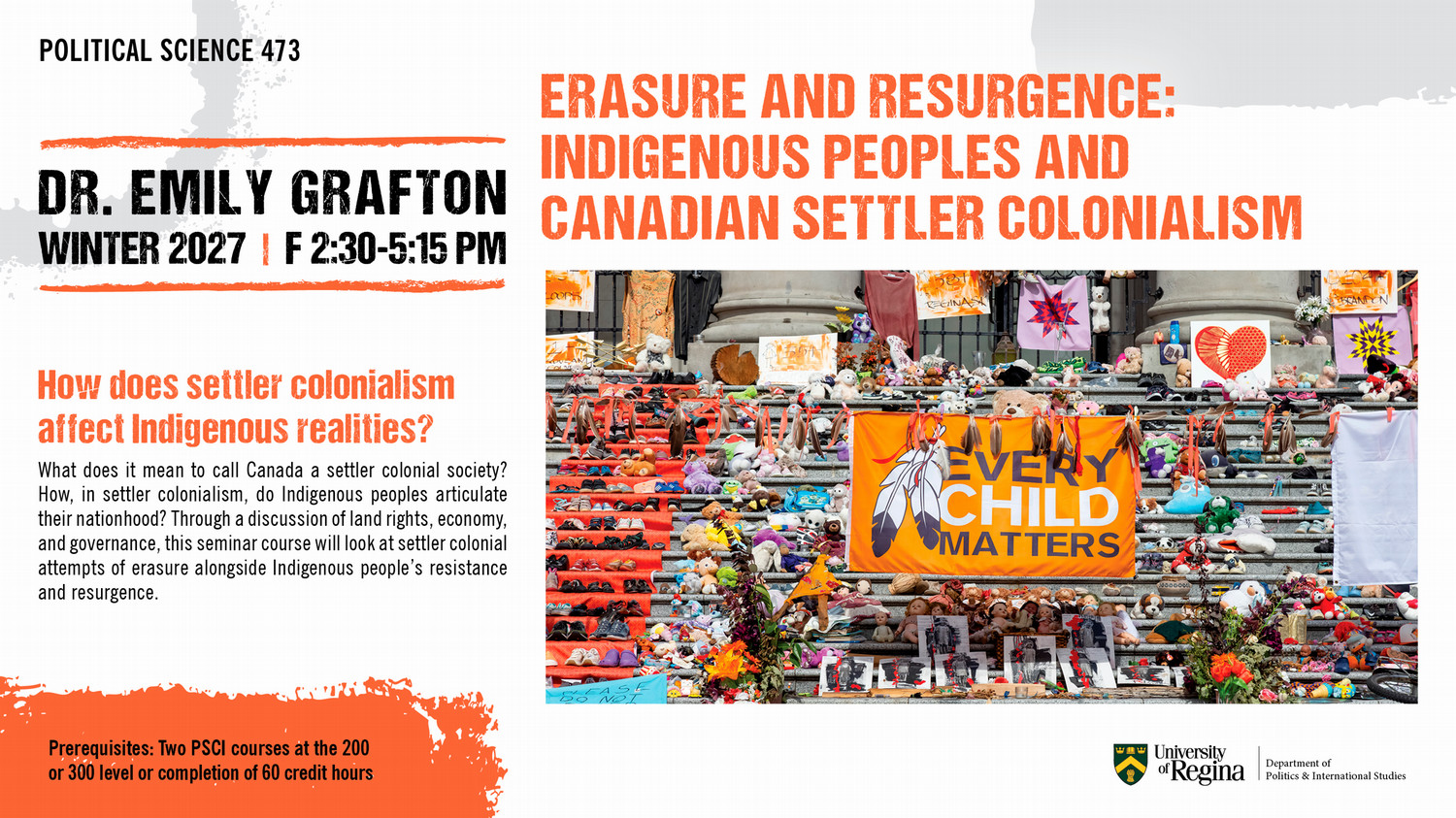
PSCI 473 - Winter 2027
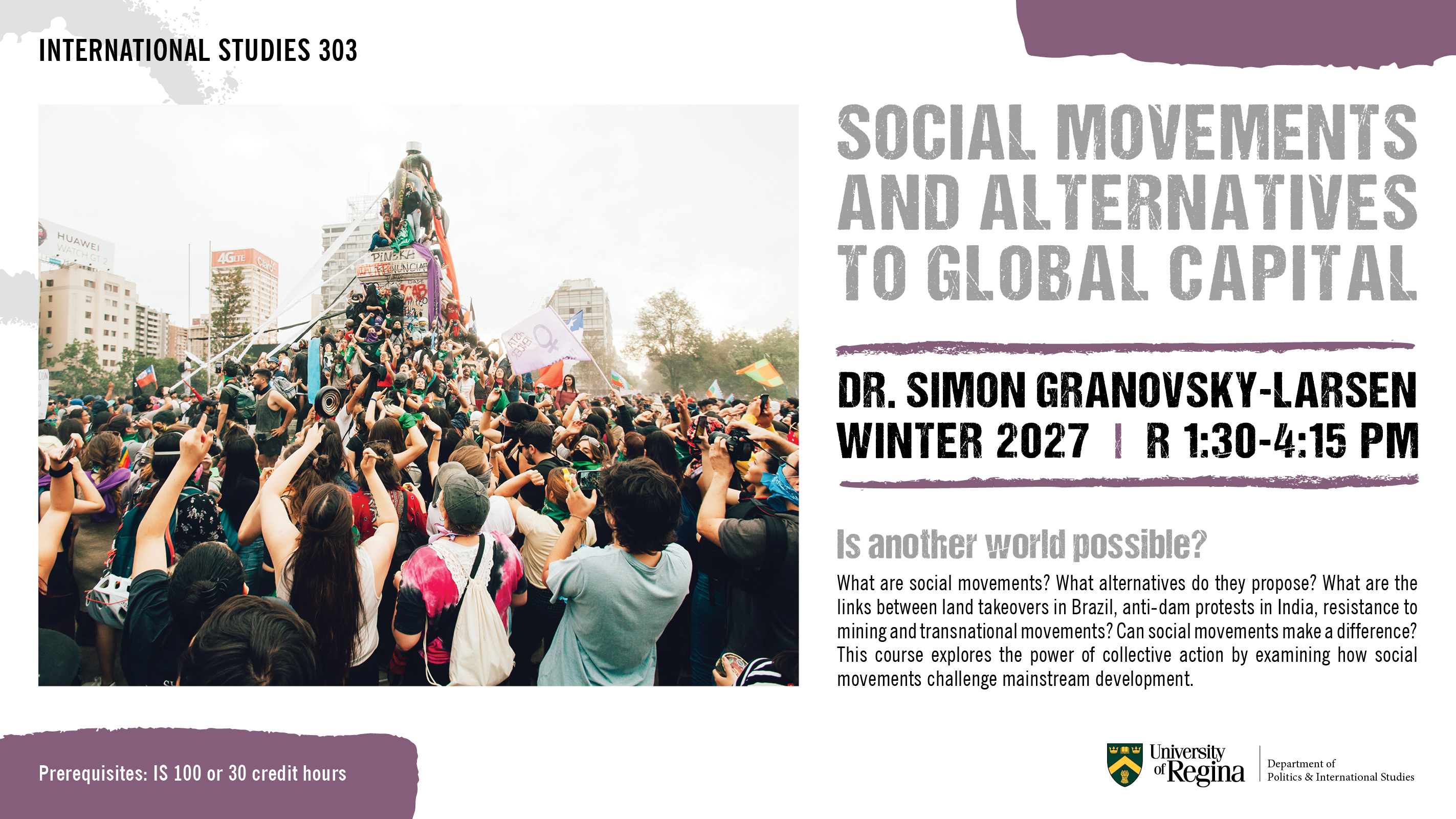
IS 303 - Winter 2027
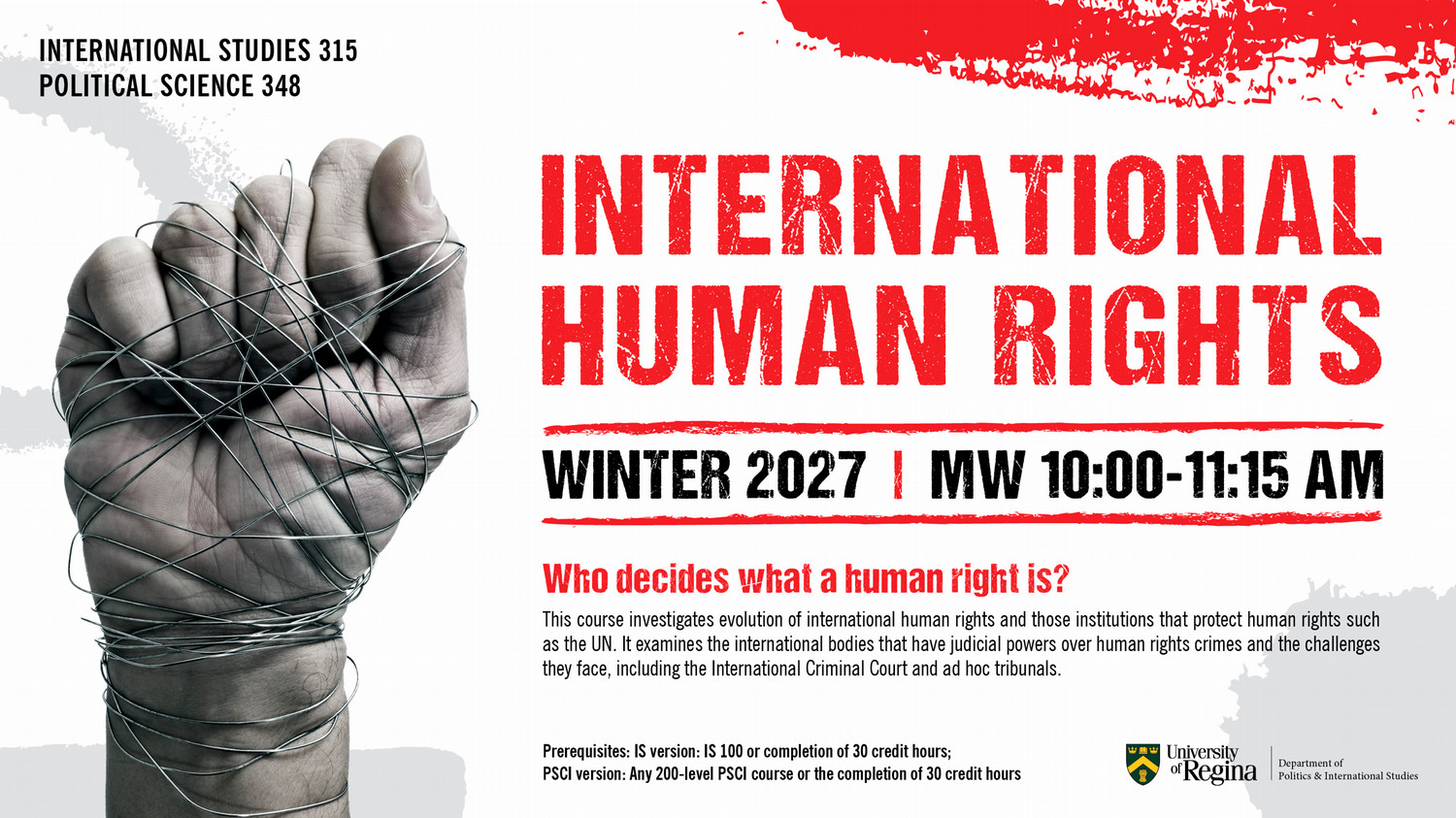
IS 315 / PSCI 348 - Winter 2027
Events and Announcements
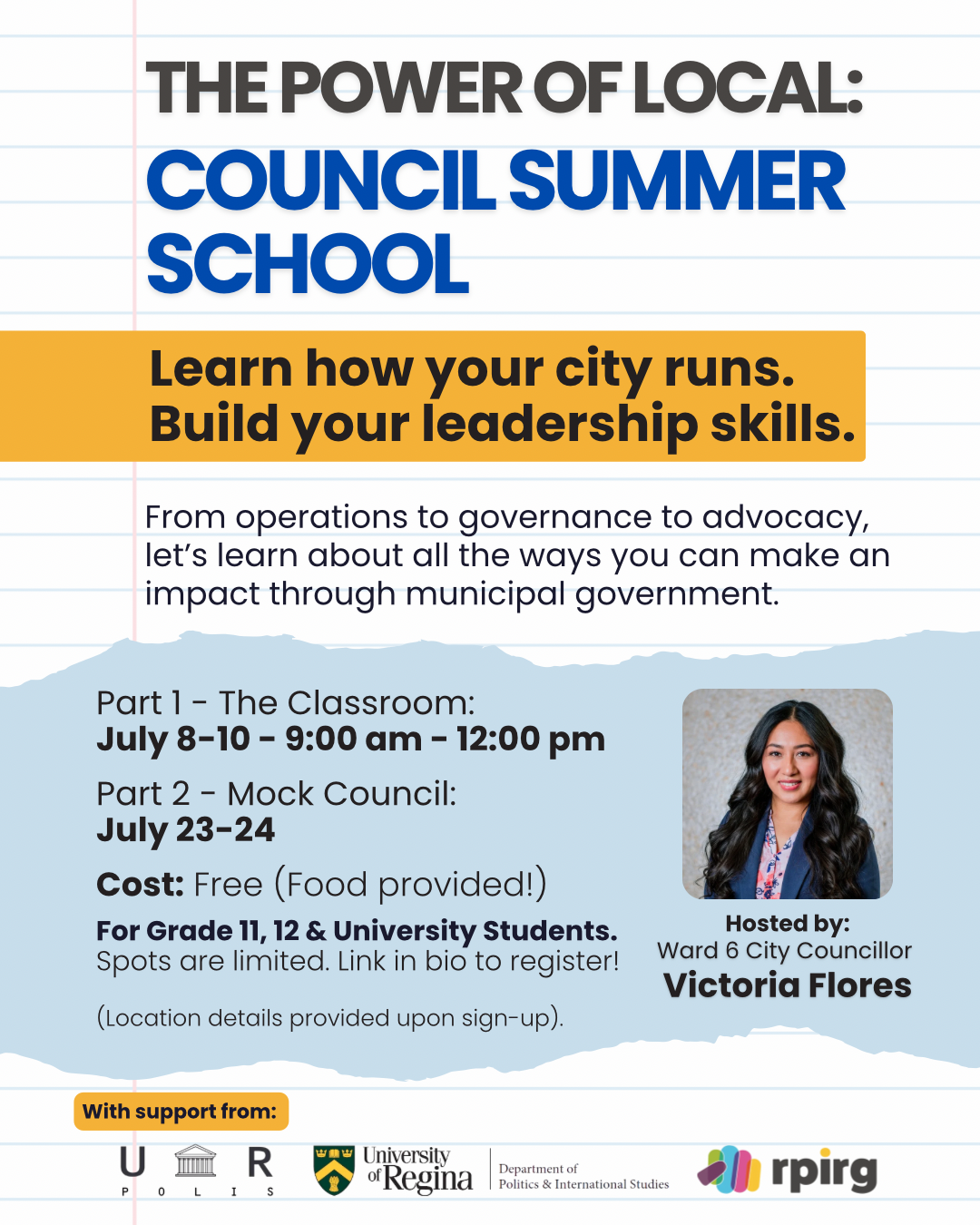
Step into the Councillor's Seat: Council Summer School
Want to see how local government actually works? Ward 6 City Councillor Victoria Flores is hosting a free, 5-day youth leadership intensive this July. From operations and governance to a live Mock Council session in the City Hall chambers, this is your chance to gain practical political experience, network with city leaders, and learn how to advocate for your community.
- Dates: July 8-10 (Mornings at U of R) & July 23-24 (Mock Council at City Hall)
- Cost: 100% Free (Food provided)
- Register Here
First PAIS Major Project Prize Awarded
Congratulations to Matthew McStravick, a graduating BA Honours student in Political Science, for winning the first PAIS Major Project Prize! This annual prize recognizes a piece of outstanding research that was submitted as regular coursework in a 400-level Political Science or International Studies course.
Matthew's essay, "International Relations Theory and Systems of Polarity in a Rapidly Changing World Order?" provided a timely take on Canada's global position within the broader polarity debate. His work was extremely well written and demonstrated a superb and nuanced understanding of IR. Congrats, Matthew!
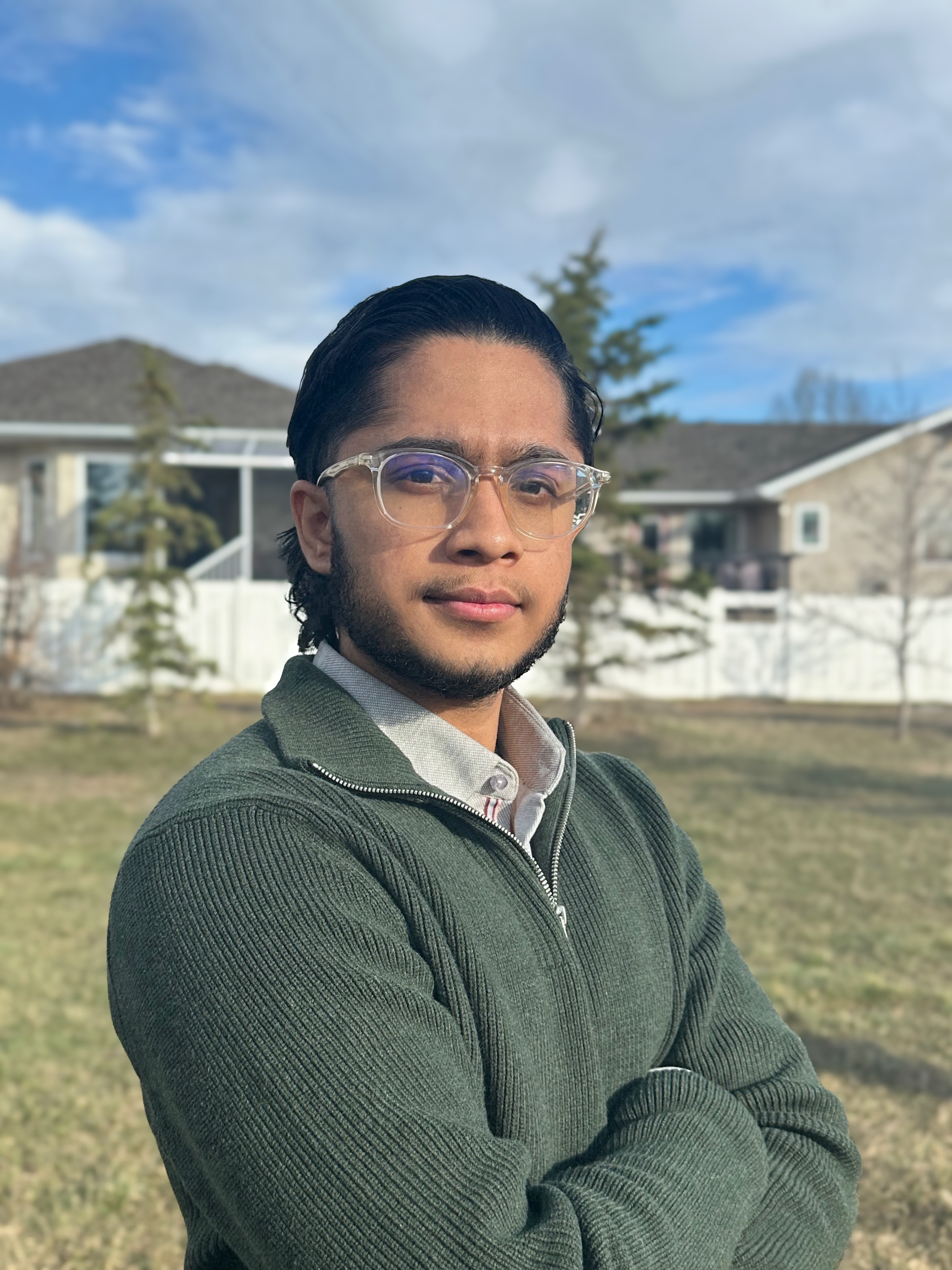
PPE Student Wins Prestigious Award
The PAIS department congratulates Fardeen Zayan Ahmed, a recipient of the 2026 University of Regina Retirees Legacy Scholarship. The prize is awarded to top undergraduate students entering their final year of study, whose academic record demonstrates potential to excel in graduate studies. Fardeen, a major in Philosophy, Politics, and Economics (PPE), was recognized for his strong academic performance and personal dedication to serving his community.
Congratulations, Fardeen!

March 26 Taking the Floor: The Next Era of Women in Politics
Ward 6 Councillor and UofR PSCI graduate Victoria Flores will be hosting an event on March 26 from 6:00 - 8:00 PM.
Connect with women in Council, the Legislature, and leaders from across the political and community landscape.
This is a dedicated space for women and gender-diverse people to hear stories, ask questions, and build the confidence to step into their own leadership journeys.
Spaces are limited. Register by March 24.
This event is sponsored by RPIRG.
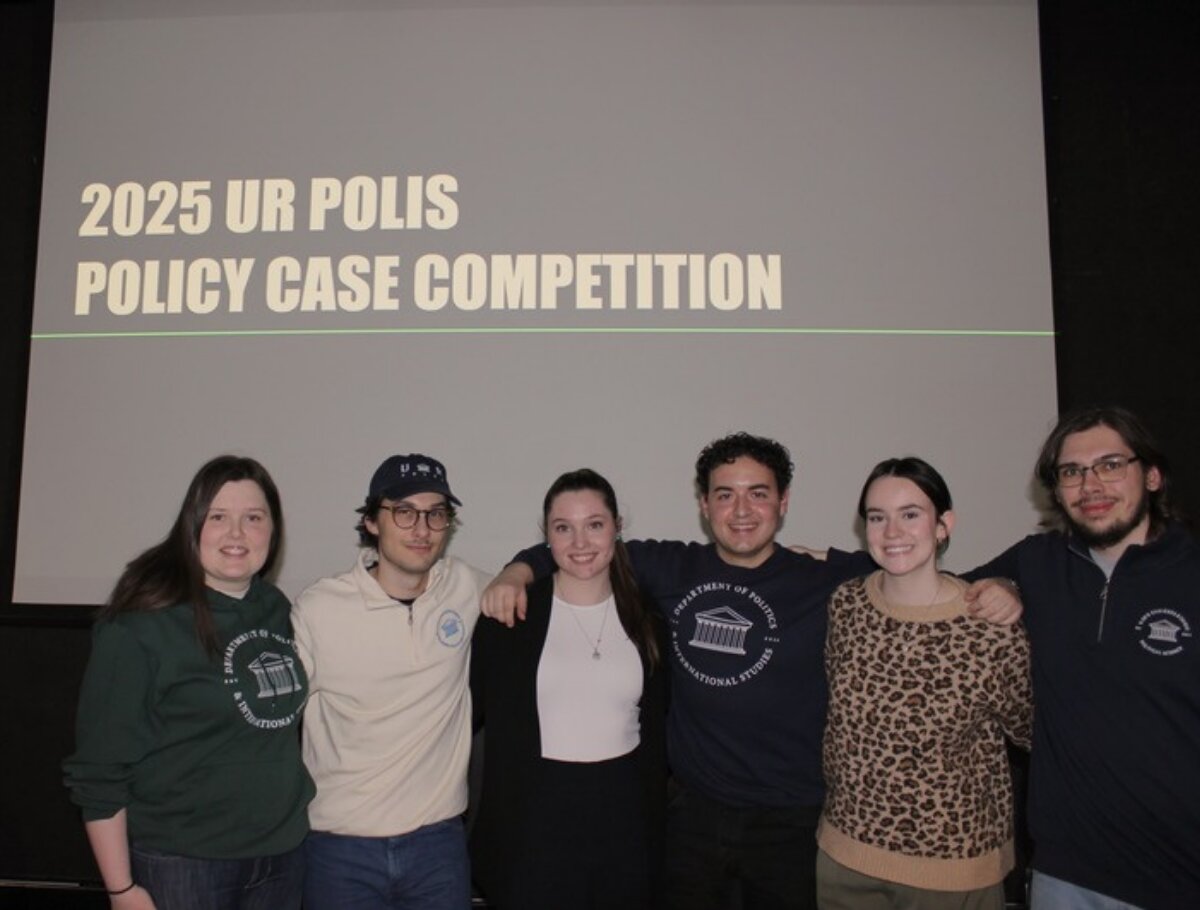
March 28 Policy Case Competition
Think you can solve a real policy challenge?
The 2026 UR POLIS Policy Case Competition gives students the chance to work in teams to tackle a policy issue and present their solution to a panel of judges.
👥 Teams of 2–4 students
📅 March 28 | 11:00 AM – 5:00 PM
📍 College Ave Campus
Travel Fund for PAIS Students

Testimonial: Arts Graduates in the Workforce
So You Want to Work in Government … Career Opportunities in the Public Sector
Tuesday, January 13
12:00-1:30 pm
La Cite CT 215
Join the Johnson Shoyama Graduate School of Public Policy and the Department of Politics and International Studies in La Cite 215 January 13 from 12-1.30 for a panel discussion about the career opportunities in the public sector. Governments of all sorts (Federal, Provincial, First Nations, Métis, and Municipal) as well as the broad range of public sector organizations around them offer a very wide variety of career opportunities. Join four panelists with a wide variety of experiences for a panel discussion and Q+A about the opportunities and chances to make a difference in the broad public sector.
Presenters:
Danette Starblanket
Sheldon Green
Jihan Sheikh
Colten Goertz
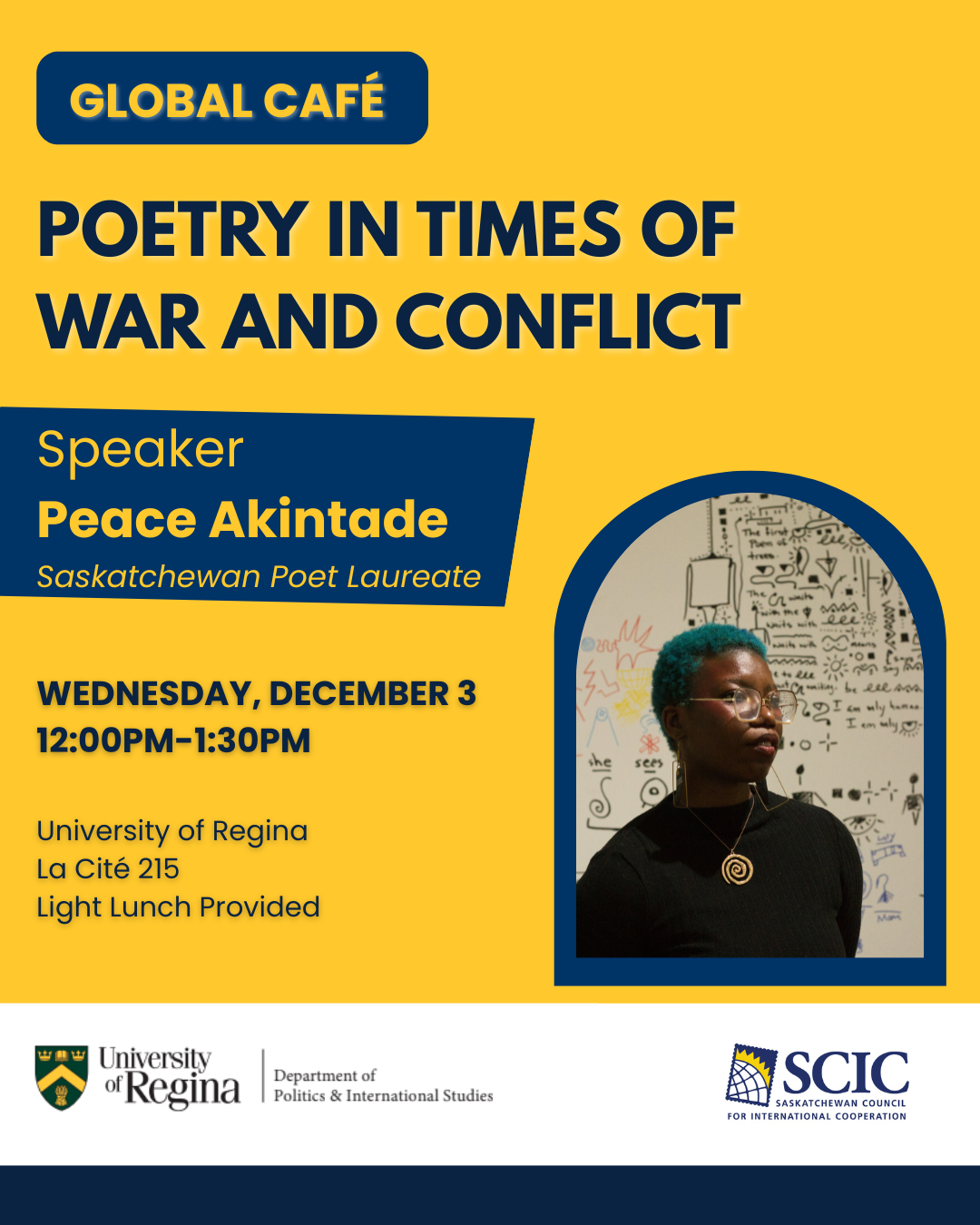
Poetry in Times of War and Conflict
oin us on Tuesday, December 3rd, for a Global Café conversation featuring Peace Akintade-Oluwagbeye, Saskatchewan’s Poet Laureate, award-winning interdisciplinary poet, and community leader. In this session, Peace will explore the role of poetry and language as tools for connection, resistance, and healing in times of war and political conflict. Through her reflections and spoken word, she will invite participants to consider how shared communities are formed through art, empathy, and expression and how poets can give voice to collective struggles and resilience. The discussion will highlight the power of words to bridge divides, to bear witness, and to imagine peace in turbulent times. Sponsored by the Department of Politics and International Studies, and the Saskatchewan Council for International Cooperation.
Free registration is requested here
📅 Date: Wednesday, December 3, 2025
🕔 Time: 12:00–1:00 PM
📍 Location: La Cité 215, University of Regina
🍴 Light lunch will be served
Archived Events
Recently Completed Honours Theses
Sofiya Ihnativ
BA (Hons), International Studies (2026)
"Divergent Portrayals of the Russia-Ukraine War Across Ukrainian, Russian, and American News Media"
Dr. Simon Granovsky-Larsen, supervisor
Violent conflicts receive worldwide attention through constant news media coverage. The portrayals that stem from these coverages differ from country to country, influencing the perceptions and views of their respective audiences. This is made possible by the use of specific frames and strategic narratives employed by the media as part of a country’s soft power capabilities and information warfare. The full-scale Russian invasion of Ukraine on February 24, 2022, presents a powerful example of the substantive mediation that wars receive in the contemporary world. This research study explores the divergences of the war’s portrayals between the conflicting sides, Ukraine and Russia, as well as of the United States, and the apparent political objective that emerge from these portrayals. The reporting on the destruction of the Kakhovka Hydroelectric Power Plant dam that occurred on June 6, 2023, was examined to understand how each country’s news media presented the broader war. The study used the summative qualitative content analysis of 199 articles and critical discourse analysis of three representative articles, in their original languages. Divergent frames of nationalism, propaganda, and pro-Ukraine were found to be employed by each country, revealing apparent political objectives of preservation of a geopolitical image, promotion of international support, delegitimization of an enemy, and consolidation of national unity. This implies that the news media is strategically used by nation-states, and therefore information should be critically assessed to understand underlying meanings and objectives.
Matthew McStravick
BA (Hons), Political Science with a minor in International Studies (2026)
"Developing a Canadian Grand Strategy to meet the Multipolar Moment: A Prescriptive Policy Analysis"
Dr. Martin Hewson, supervisor
This paper aims to develop an understanding of the logic underpinning Canadian grand strategy approaches aimed at reducing or eliminating dependency on the United States of America. Due to the recency of the Canadian strategic pivot in practice, it draws primarily upon explorations of news media and elite discourse to draw conclusions as to both the strategy currently being pursued and alternatives that may exist to achieve the same core outcome (De-Americanization). Two strategic models are accordingly established and defined, before being explored in depth and applied to discussion of several issue areas. Reflection on the viability of either model, the first emerging from Prime Minister Mark Carney’s articulations and the second from critical responses, produces a consistent set of identifiable strengths and weaknesses. While the current model being pursued by the Prime Minister is easier to implement and entails less immediate risk, it exposes Canada to greater structural vulnerability and preserves reliance on Western apparatuses with uncertain futures. Conversely, while a more decisive break from existing policy and reorientation towards an approach more adapted to a non-Western world order is possible to construct as an ideal type, such a divergence would face greater implementation challenges and raise immediate risks. Reflecting especially on the state of the world and the Prime Minister’s statements in Davos, the paper concludes by assessing that the pitfalls of the prevailing model may justify taking on the challenges of the latter, given both approaches are found to entail notable uncertainty and risk while the latter may yet offer greater long term reward in a changing world order.